
TLDR
- ETCon26 will serve as a strategic platform to accelerate the implementation of Malaysia’s energy transition agenda and to strengthen ASEAN regional cooperation.
- The conference focuses on three core pillars — Energy for AI, AI for Energy, and Energy Transition for People — highlighting the relationship between energy and digital technologies.
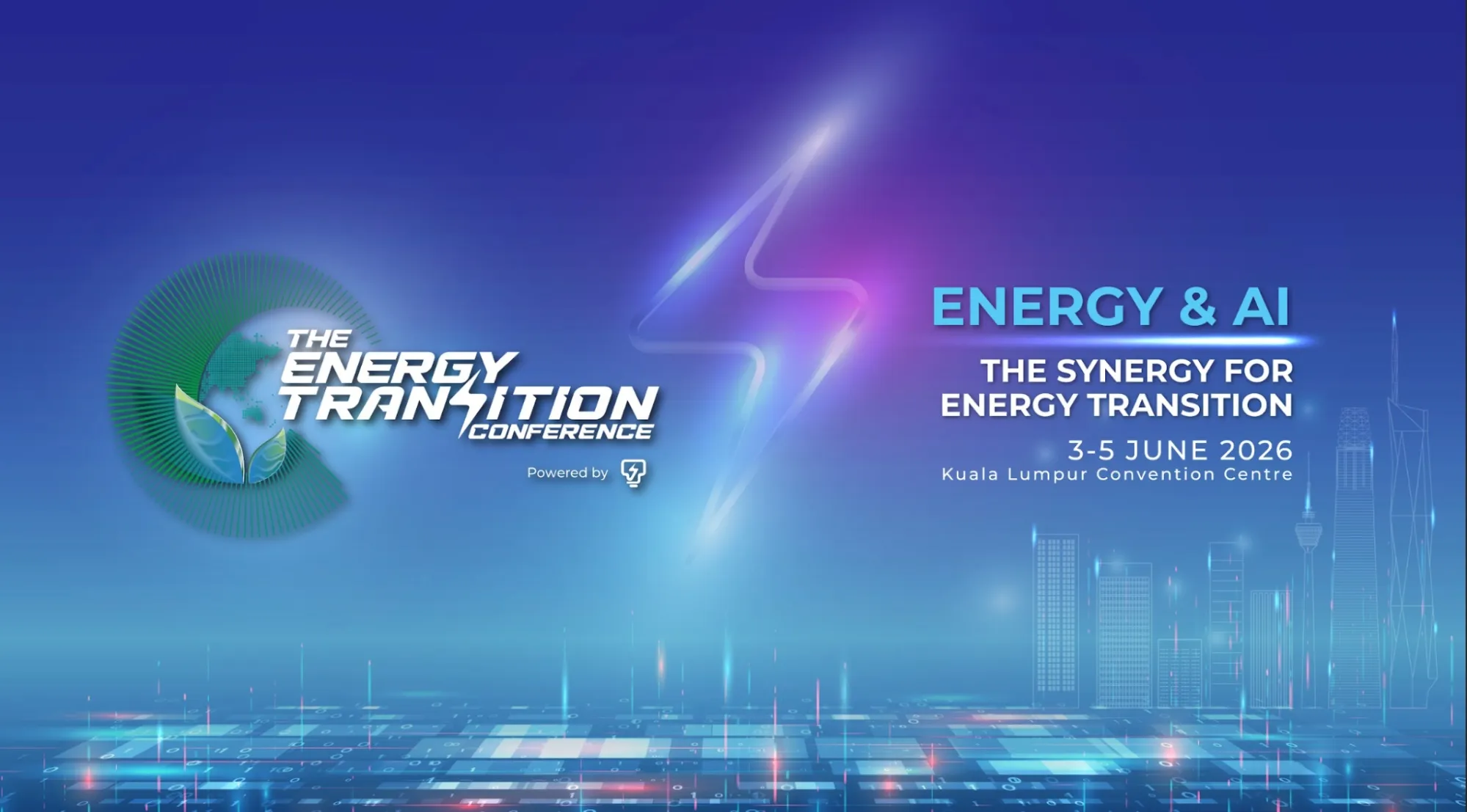
- ETCon26 is scheduled to take place from 3 to 5 June 2026 at the Kuala Lumpur Convention Centre, with an emphasis on collaboration among policymakers, industry players, investors, and the community.
The Energy Transition Conference 2026 (ETCon26) is set to serve as a strategic platform to advance dialogue and accelerate the implementation of Malaysia’s energy transition agenda, while strengthening regional cooperation across ASEAN.
Carrying the theme “Energy & AI: The Synergy for Energy Transition,” the conference reflects the increasingly interconnected relationship between energy systems and digital technologies. ETCon26 is anchored on three content pillars — Energy for AI, AI for Energy, and Energy Transition (ET) for People — each highlighting a critical dimension of how artificial intelligence and energy development intersect in shaping a sustainable future.
President/Chief Executive Officer of Tenaga Nasional Berhad (TNB), Datuk Ir Ts Shamsul Ahmad, said ETCon26 will focus on translating the initiatives outlined in the National Energy Transition Roadmap (NETR) into tangible outcomes, including accelerating the execution of existing strategies.
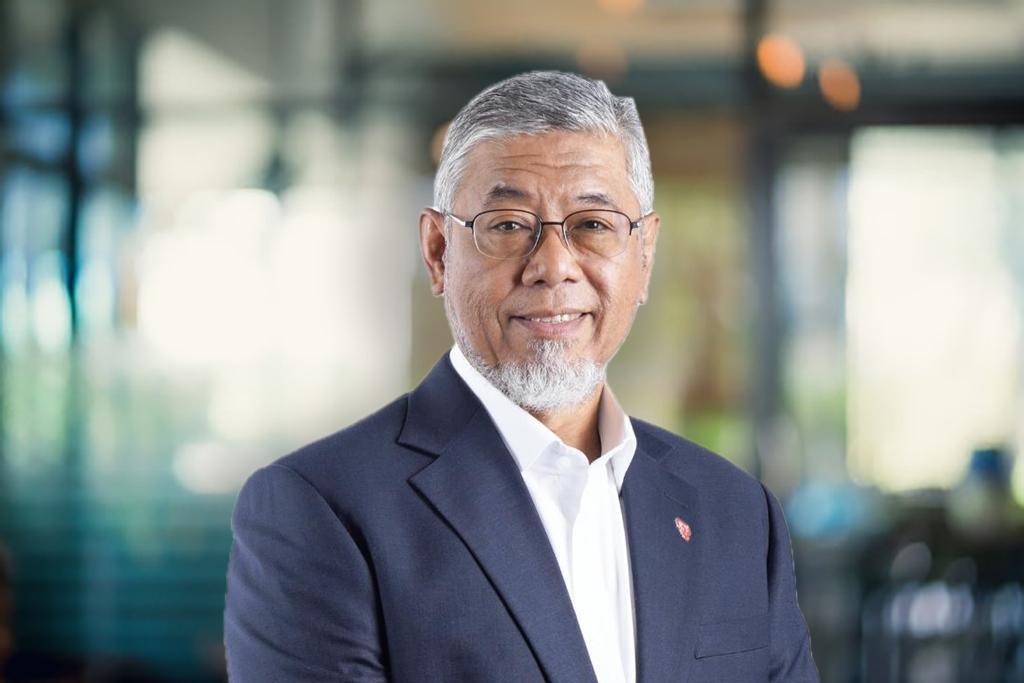 Image Credit: TNB
“The primary objective of this conference is to align policy, investment and technological innovation within a collaborative ecosystem involving all stakeholders — from policymakers and industry players to investors and the wider public,” he said in an interview with Agenda AWANI.
According to Shamsul, one of the conference’s key areas of focus is its first content pillar, Energy for AI, which emphasises the critical role of energy as the backbone of artificial intelligence development.
He noted that Malaysia’s rapid expansion of data centres has led to a significant increase in energy demand to support AI-driven operations, making a reliable and stable energy supply a crucial requirement.
“AI cannot function without energy. Today, we are witnessing rapid data centre development, and this growth demands a stable and secure energy supply."
The second content pillar, AI for Energy, centres on the application of artificial intelligence to enhance the efficiency, resilience and reliability of the national energy system.
“With the adoption of AI, we can predict potential disruptions before they occur, thereby reducing damage and improving overall grid reliability,” Shamsul explained.
He added that AI technologies also play an important role in supporting the integration of renewable energy sources — particularly solar — through advanced data analytics and more accurate forecasting capabilities.
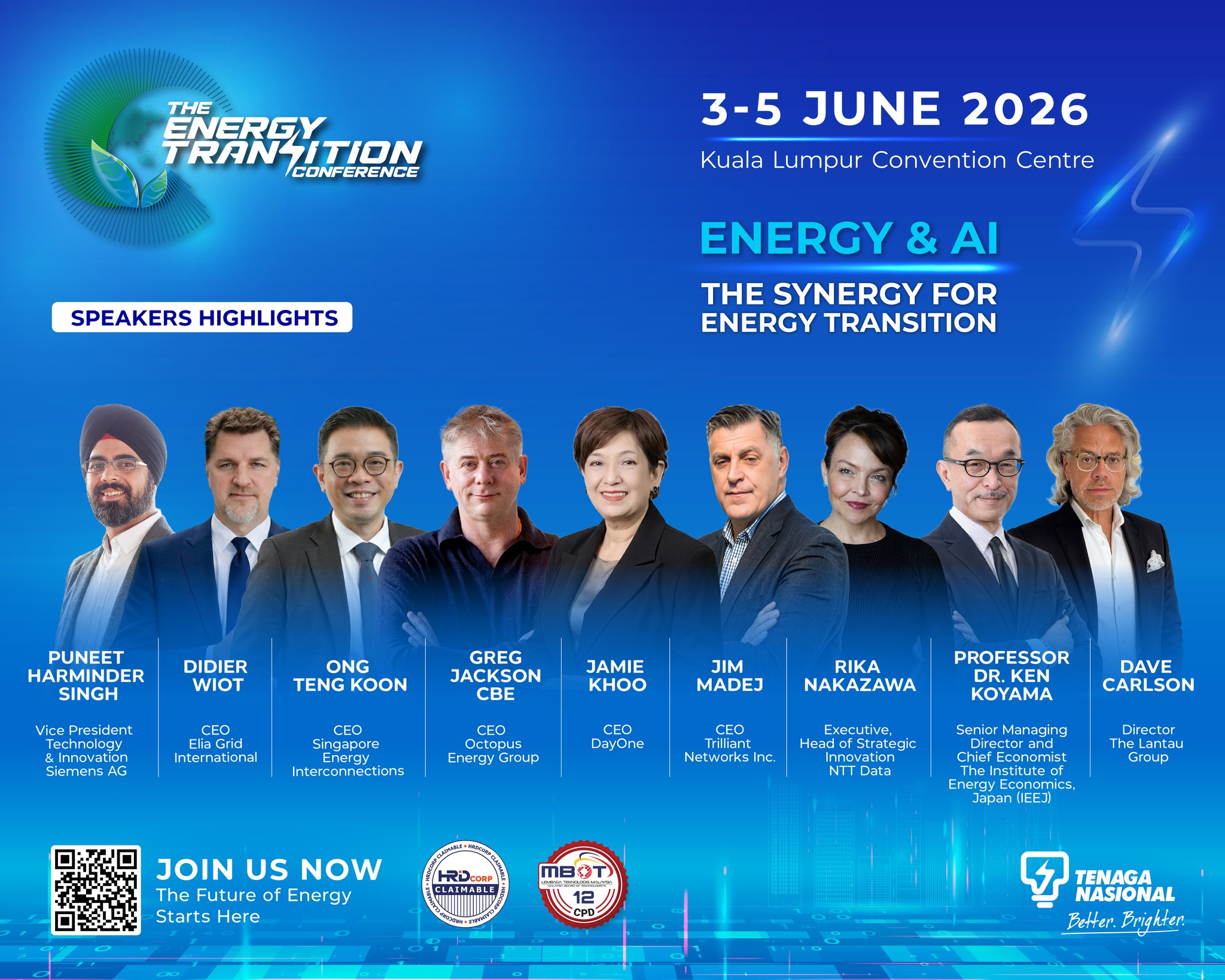 Image Credit: TNB
Meanwhile, the third content pillar, Energy Transition for People, underscores the importance of ensuring that the benefits of the energy transition are shared inclusively across all segments of society.
Shamsul highlighted that the growth of new energy sectors presents significant economic opportunities, including job creation and skills development. Initiatives such as Technical and Vocational Education and Training (TVET) programmes are expected to play a vital role in equipping the workforce with relevant competencies for the evolving energy landscape.
“The energy transition must be inclusive and deliver tangible benefits to everyone, particularly in terms of employment opportunities and skills development,” he said.
He also stressed that close collaboration between the government, industry players and the community is essential to building a sustainable, resilient and future-ready energy ecosystem.
The ETCon26 is scheduled to take place from 3 to 5 June 2026 at the Kuala Lumpur Convention Centre. The conference is a flagship initiative conceived by Tenaga Nasional Berhad and is expected to bring together key stakeholders from across the energy, technology and policy sectors.
For more information, visit here.
Featured Image Credit: TNB
You may be interested in

KING Relaxed Football Jersey Unisex in Mountain Blue by PUMA

Walking Balloon Animals/Standing Cartoon Toys with Wheels

Tudung Bawal Cotton Bidang 45 NEW COLOUR Bucu Tajam Square Hijab

The mini retro gramophone Bluetooth speaker is compact and delicate, making it the top choice for gifts to girls. 复古音响-048