TLDR
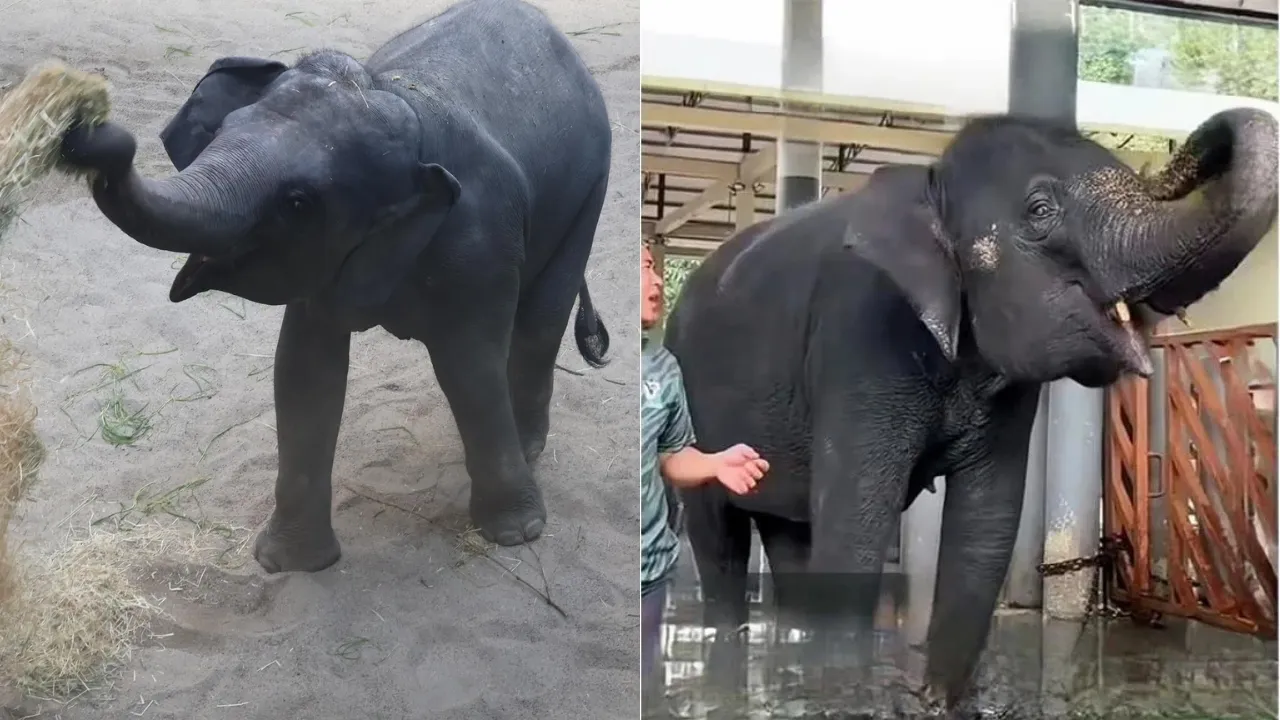
- Three Malaysian elephants, Kelat, Dara, and Amoi, were relocated from Zoo Taiping and Night Safari to Tennoji Zoo in Osaka, Japan, with ownership remaining under Zoo Taiping.
- The transfer has sparked public outrage due to concerns over the elephants' adaptation to Japan's colder climate and the suitability of their new living conditions.
- Many Malaysians prefer the elephants to stay in local conservation centers like Kuala Gandah, emphasizing the importance of national wildlife conservation efforts.
On 11 March, three Malaysian elephants from Zoo Taiping and Night Safari arrived at Tennoji Zoo in Osaka after a six-hour flight.
The relocation involved a 20-year-old male named Kelat, a 14-year-old female, Dara, and another female elephant named Amoi, aged nine.
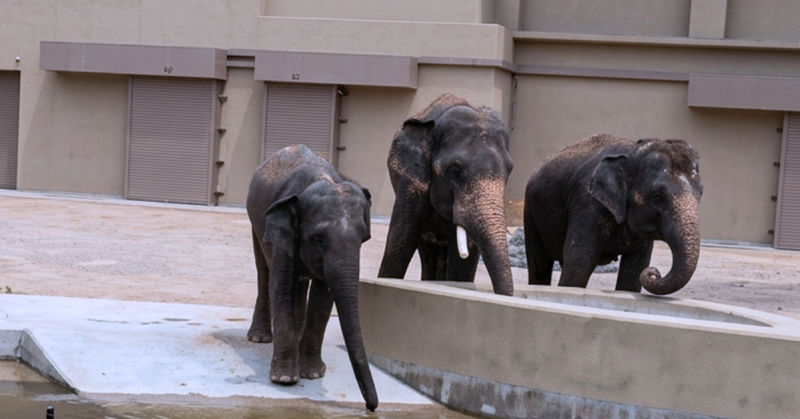 Image Credit: The Reporter
According to Sandrea Ng, the state housing and local government committee chairman, the transfer of the three elephants was not a sale. She clarified that Kelat, Dara and Amoi remain under the ownership of Zoo Taiping.
She also added that the relocation had been planned since 2021 and had received approval from Perhilitan, in compliance with the Convention on International Trade in Endangered Species of Wild Fauna and Flora (CITES), as well as national conservation laws.
Despite this, the transfer of Kelat, Dara and Amoi has sparked outrage among Malaysians, including members of the public and conservationists. Protests and petitions have been launched, calling for the immediate repatriation of the three elephants.
So, why exactly are Malaysians opposing this transfer?
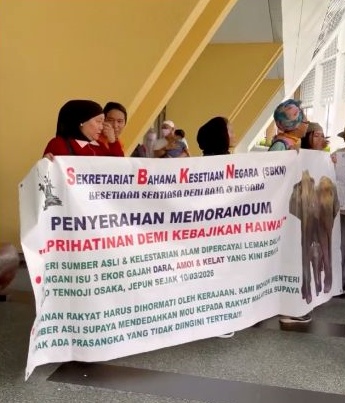 Image Credit: Threads
Unsuitable climate
One of the main concerns raised by Malaysians is whether Kelat, Dara and Amoi will be able to adapt to a completely different climate. Having been accustomed to Malaysia’s hot and humid weather for their entire lives, relocating them to a country with distinct seasons could affect their health, behaviour and overall well-being.
Beyond temperature, critics have also argued that elephants are creatures of habit. Relocating them to a colder environment could cause unnecessary stress, potentially affecting their feeding patterns and physical activity.
Claims of poor living conditions
Another major concern fuelling the public backlash is the condition of the elephants’ new living environment. There have been claims online, including from zoo visitors, alleging that certain enclosures at Tennoji Zoo appear outdated and lack proper environmental enrichment.
Additionally, critics argue that elephants, being highly intelligent and social creatures, require adequate space and stimulation to thrive. Some have described the Osaka zoo as “overly concrete, with minimal greenery or natural features”.
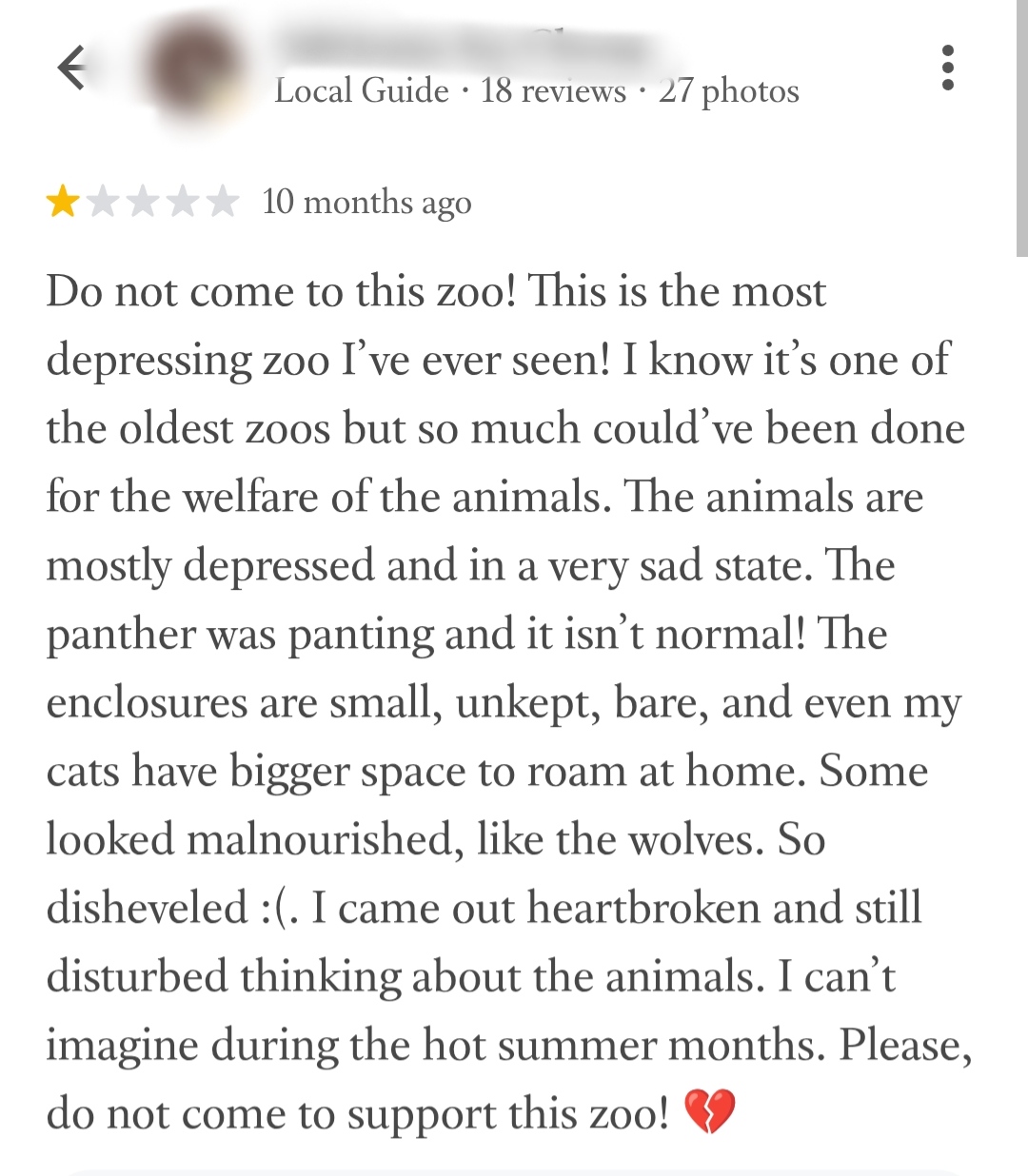 Image Credit: Google Review
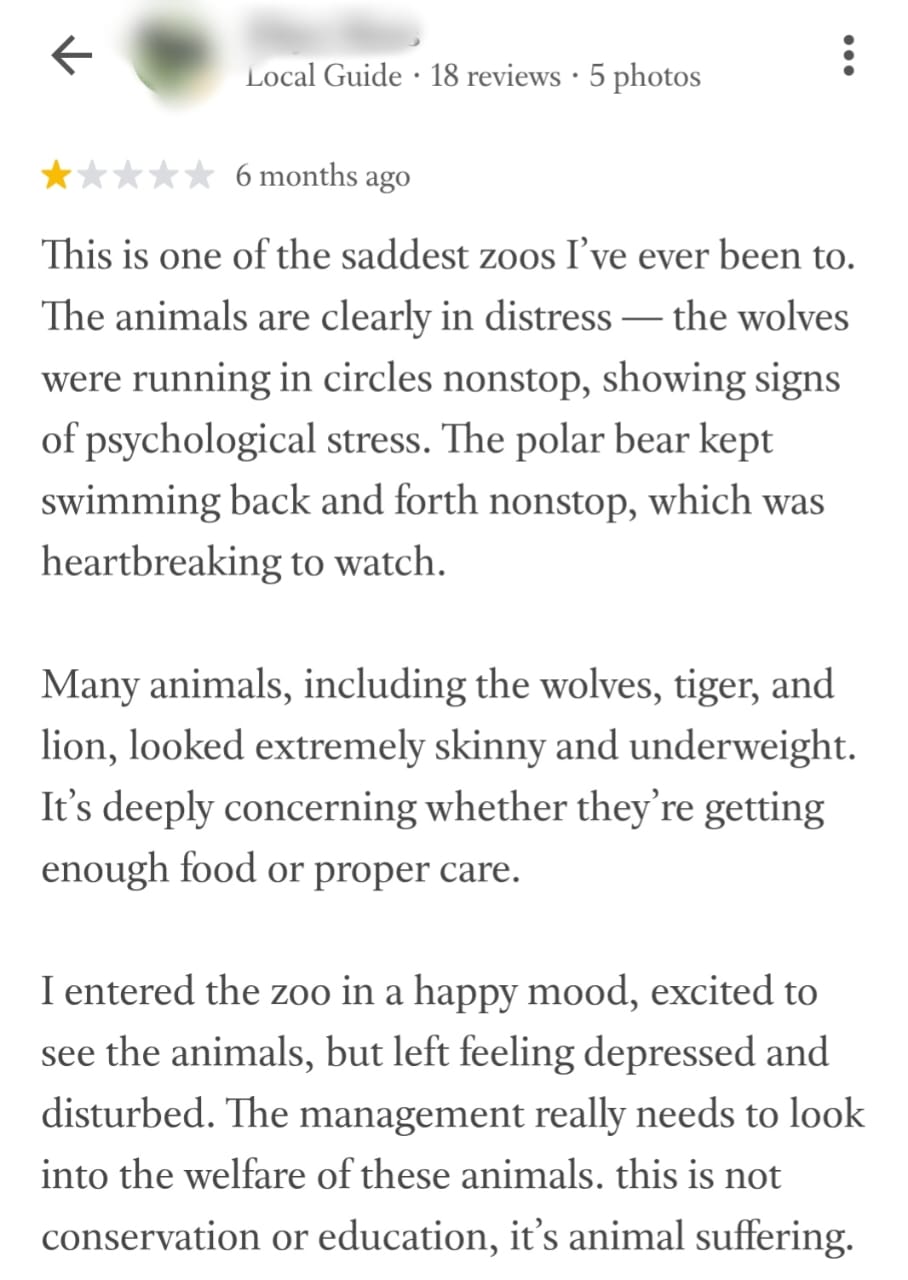 Image Credit: Google Review
Desire for local conservation
Another key argument raised by Malaysians is the preference to keep the elephants within the country rather than sending them abroad.
Many have questioned the purpose of relocating Kelat, Dara and Amoi overseas when Malaysia already has established facilities such as the Kuala Gandah Elephant Conservation Centre, which specialises in the rescue, rehabilitation and care of elephants.
Critics also view this as an opportunity to prioritise Malaysia’s own wildlife ecosystem and conservation expertise. By placing the animals in a local conservation centre, they argue, the elephants would remain in a familiar climate.
This isn’t the first case involving elephants that has raised concerns
The story of Kelat, Dara and Amoi is not the first instance involving Malaysian elephants being sent overseas that has raised welfare concerns.
In August 1979, a Malaysian elephant affectionately known as Cik Ubi (also known as Mito) was given to Kyoto City Zoo. Although it is said that the elephant is still alive today, Cik Ubi was reportedly listed by animal welfare NGOs as one of the elephants being monitored due to concerns over neglect and welfare conditions.
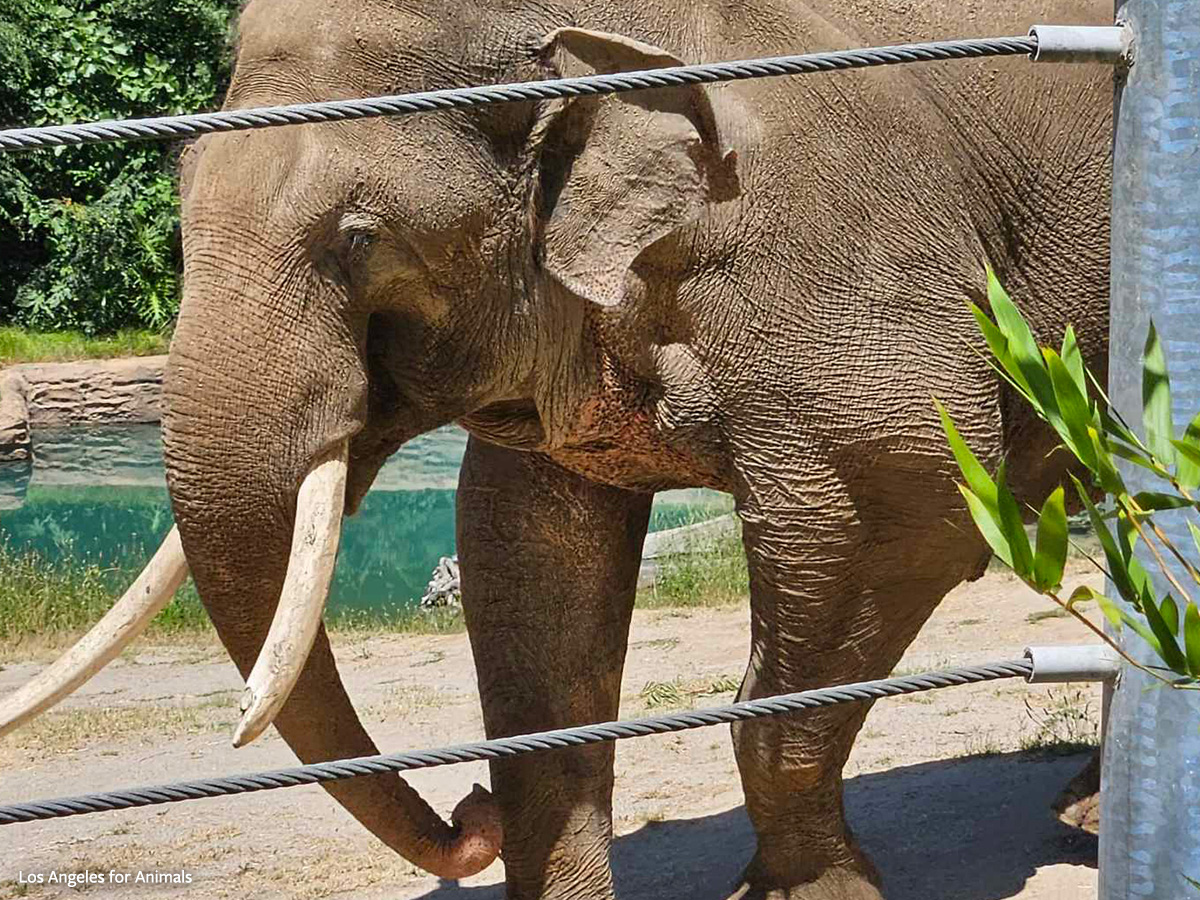 Image Credit: In Defense of Animals
Another similar case involved a Malaysian elephant named Billy, who was sent to the Los Angeles Zoo in 1989 and spent much of his time in solitary confinement. Between 1993 and 1994, Billy was transferred for about 10 months to another facility, where he was allegedly subjected to brutal training methods.
In 2025, Billy was moved to the Tulsa Zoo. However, protests continue, with activists demanding that he and another female elephant be relocated to a non-zoo sanctuary.
You can check out the petition regarding Kelat, Dara and Amoi here.
Featured Image Credit: SinarPlus, Harian Metro
You may be interested in

Abraca Dabra Super Soft Earth Tone Colour Series Microfibre Pillowcase (20" X 30"/1 Pc)

Interactive octopus plush dog toy with snack dispenser

Ceramic Plate

HABIB 999 24K Yellow Gold Pendant (Butterfly) 9GP008