

TLDR
- India has confirmed five Nipah virus cases in West Bengal, with one patient in critical condition and nearly 100 people asked to self-quarantine.
- Malaysia and other Asian countries are tightening border screenings and health surveillance to prevent the virus spread following the outbreak.
- The Nipah virus, first identified in Malaysia in 1998, is highly contagious with no specific treatment or vaccine, and can cause severe symptoms including encephalitis and high fatality rates.
Earlier this week, India reported five confirmed cases of the Nipah virus in the eastern state of West Bengal, leaving one patient in critical condition. Those infected include doctors and nurses.
Following the confirmed cases, the country is moving quickly to contain the outbreak, with nearly 100 people asked to self‑quarantine at home, according to The Independent.
 Image Credit: The Independent
The reported cases in India have also sparked concern in other parts of Asia, with countries such as Thailand and Malaysia now tightening screening measures at their entry points.
Among the measures taken are health surveillance and risk‑based screening of travellers, clear referral pathways for those showing symptoms or suspected of infection, and the operational readiness of emergency medical teams in line with infectious disease guidelines.
As reported by The Star, the Health Ministry (MOH) also said that it is actively verifying the reports through official channels, including engaging the World Health Organization (WHO) and communicating with relevant authorities.
What Is the Nipah Virus?
The first‑ever Nipah virus outbreak was recorded in 1998 among pig farmers in Malaysia, before spreading to Singapore. The name “Nipah” comes from the village where the virus was first discovered.
The virus is a zoonotic pathogen, meaning it can be transmitted from animals, such as pigs and fruit bats, to humans. It can also spread through contaminated food or via direct human‑to‑human transmission.
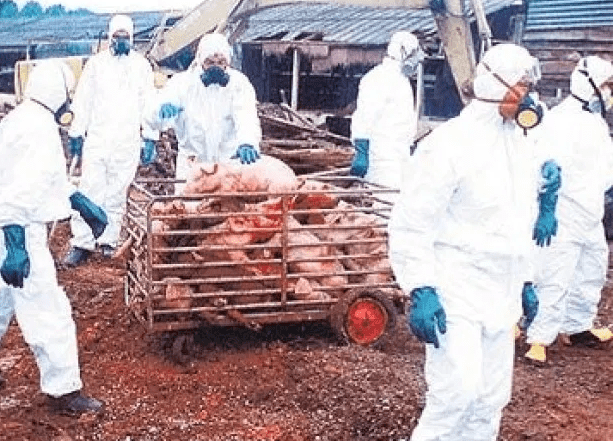 Image Credit: Xtra
According to reports, as of May 2024, there have been 754 confirmed human Nipah virus cases, with 435 deaths recorded across five countries: Bangladesh, India, Malaysia, the Philippines, and Singapore.
Bangladesh has borne the brunt of the outbreak, reporting the highest number of cases at 341 infections and 241 deaths. Malaysia ranks second, with 283 reported cases and 109 deaths.
What are the symptoms of the Nipah virus?
The Nipah virus is highly contagious, particularly among pigs. As a result, past outbreaks have led to significant economic losses for farmers and those in the livestock trade, with more than one million pigs culled to contain the virus.
The virus has an incubation period ranging from four to 21 days, although longer periods have occasionally been observed.
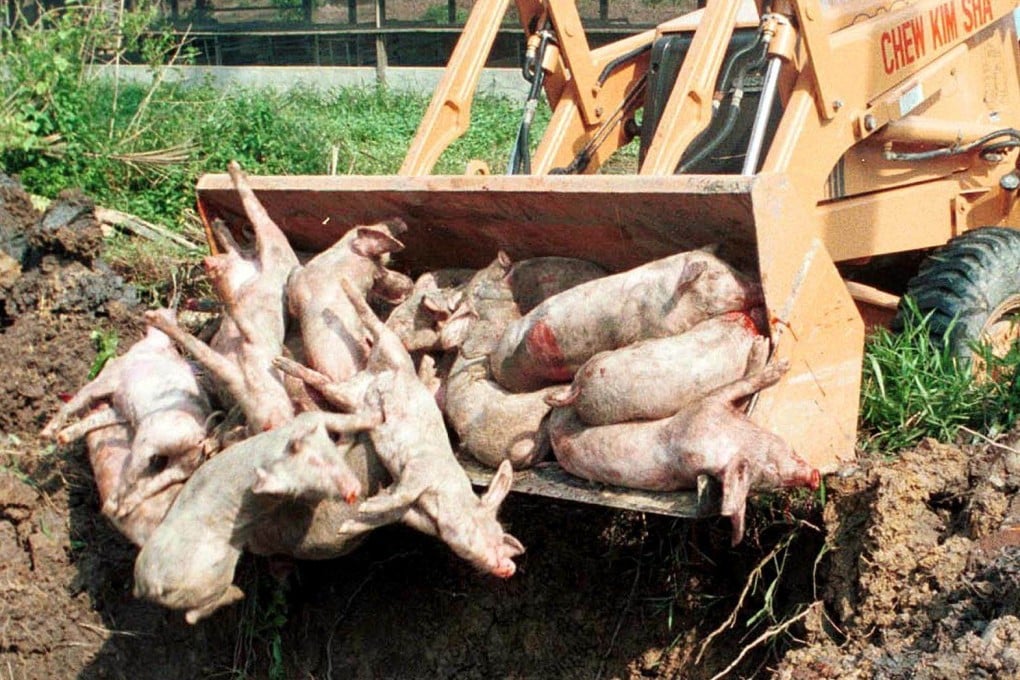 Image Credit: SCMP
People infected with the virus can show a wide range of symptoms. In some cases, individuals may remain asymptomatic.
Initial symptoms may include fever, headaches, muscle pain, vomiting, and sore throat. In some patients, these symptoms can progress to drowsiness, altered consciousness, and pneumonia. In severe cases, encephalitis — a potentially fatal brain inflammation — may occur.
 Image Credit: SCMP
It is estimated that between 40% and 75% of those infected with the Nipah virus may succumb to the disease. In rare cases, the virus can also reactivate months or even years after the initial infection.
How is the Nipah virus treated?
Unfortunately, there is currently no proven specific treatment for Nipah virus infection, and no licensed preventive vaccine is available.
To reduce the risk of infection, individuals who have travelled to endemic areas are advised to:
- Avoid contact with bats, their habitats, and sick animals
- Avoid consuming raw or partially fermented date palm sap unless it has been properly boiled
- Wash fruits thoroughly with clean water and peel them before consumption
- Avoid eating fruits found on the ground or those partially eaten by animals
- Wear protective clothing and gloves when handling sick animals or during slaughter
- Avoid close contact with individuals infected with the Nipah virus
- Practise good hand hygiene, especially after visiting or caring for sick individuals
Featured Image Credit: Xtra, NCHstats