



Lately, a new navigation app by Chinese online marketplace Alibaba has gone viral among Malaysian social media users.
Founded in 2002, AMap is said to have around 500 million active users today, making it one of the leading providers of digital map content, navigation, and location‑based solutions in China.
 Image Credit: Play Store
In fact, in 2018, the navigation app made history as the first Chinese map service to reach 100 million daily active users. Now that English support has been added, AMap is even more international‑friendly.
So, what exactly makes this map go viral? Well, AMap offers 3D lane‑level views, which help drivers clearly see which lane they should take on highways. It also features real‑time traffic updates, detailed junction views, real‑time transit information, and multiple route options.
Malaysians weigh in on the pros & cons
On the surface, AMap does sound promising for helping drivers find their way. Some Malaysians have even shared their experiences using the app on social media.
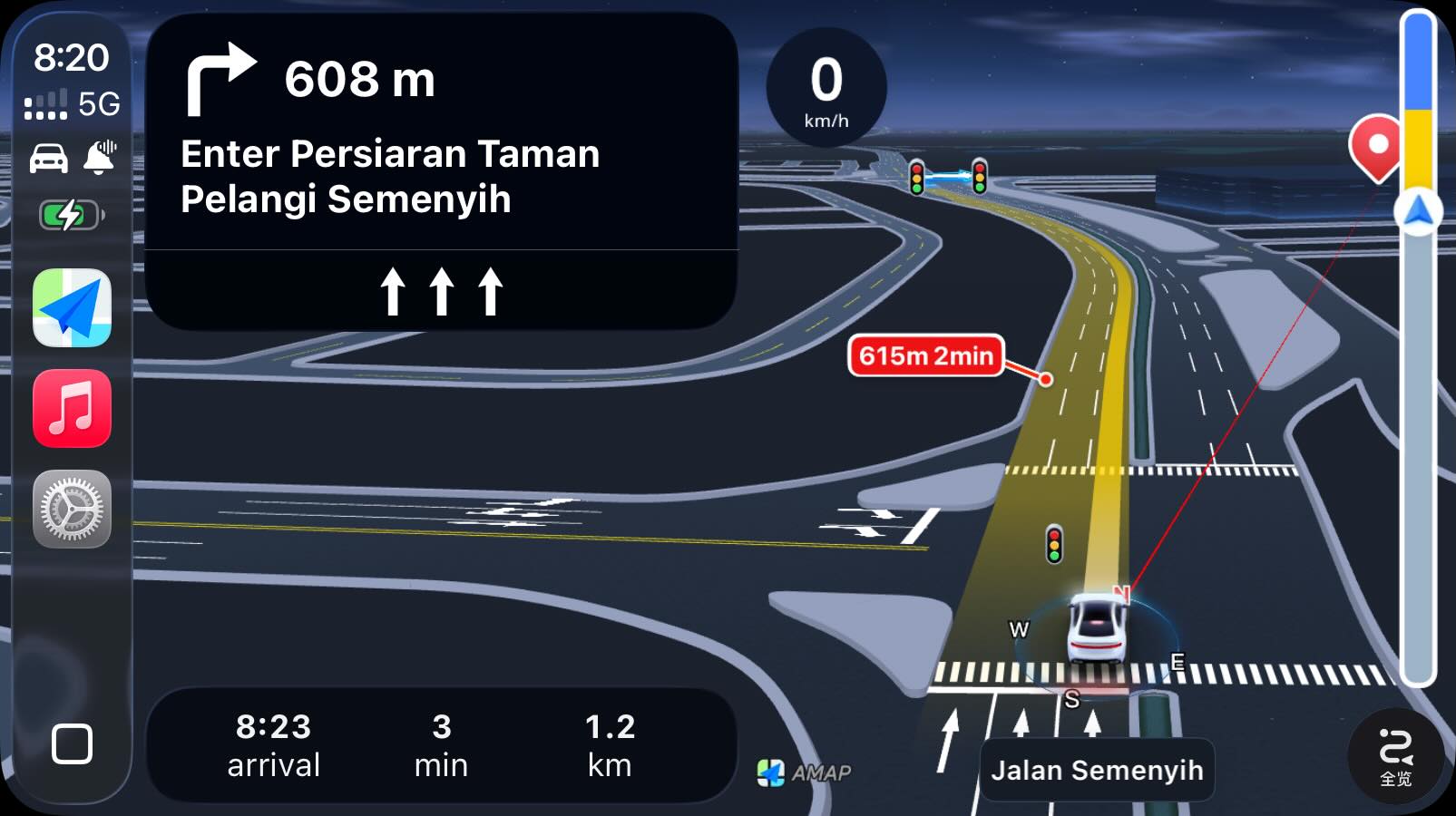 Image Credit: Threads
Many users say AMap is better than Waze because it provides more detailed visuals—especially when it comes to showing individual lanes.
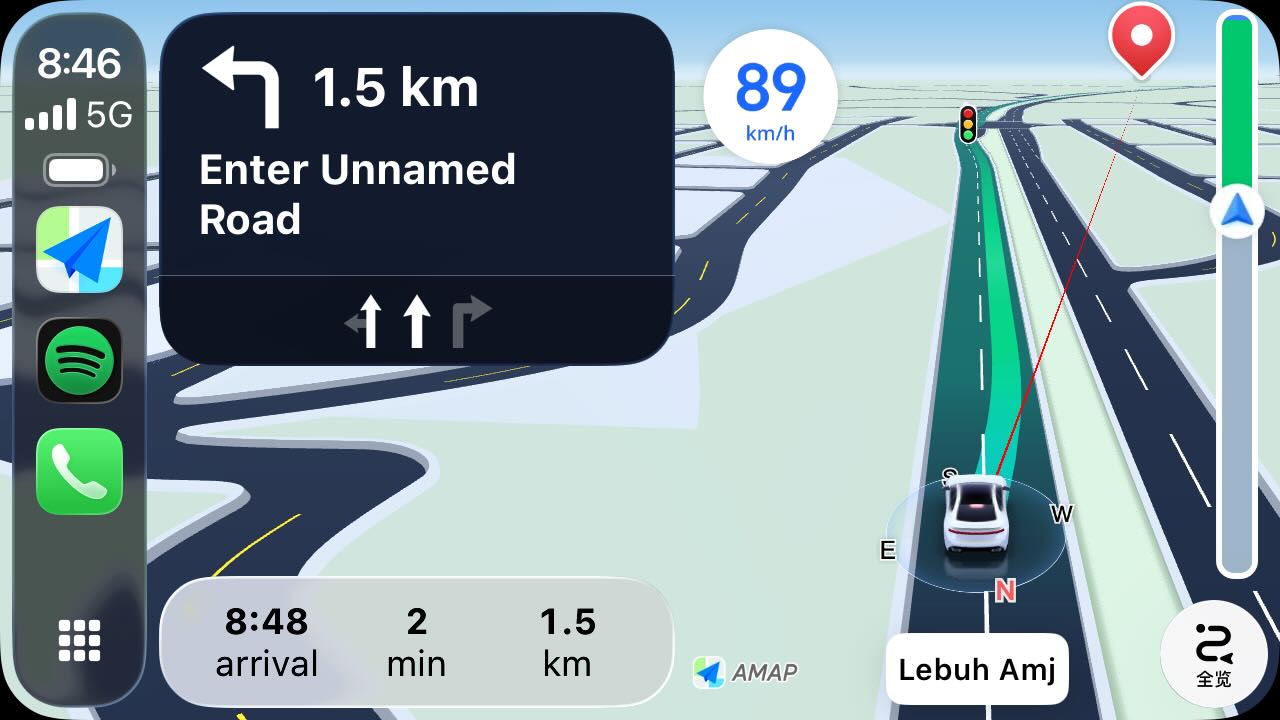 Image Credit: Threads
However, others pointed out that the app is not fully updated with Malaysian roads, causing many locations to appear as “unnamed road.” Some also noted that the app only gives voice instructions when it’s time to make a turn, instead of providing earlier warnings.
Concerns over alleged personal data collection
While AMap has its strengths, some Malaysians have advised others to be cautious when downloading and using the app. This is because there have been cases involving alleged personal data collection without user consent linked to software developed by certain Chinese companies.
Additionally, the app is said to have included the “nine-dash line,” a demarcation used in some Chinese maps to claim sovereignty over much of the South China Sea.
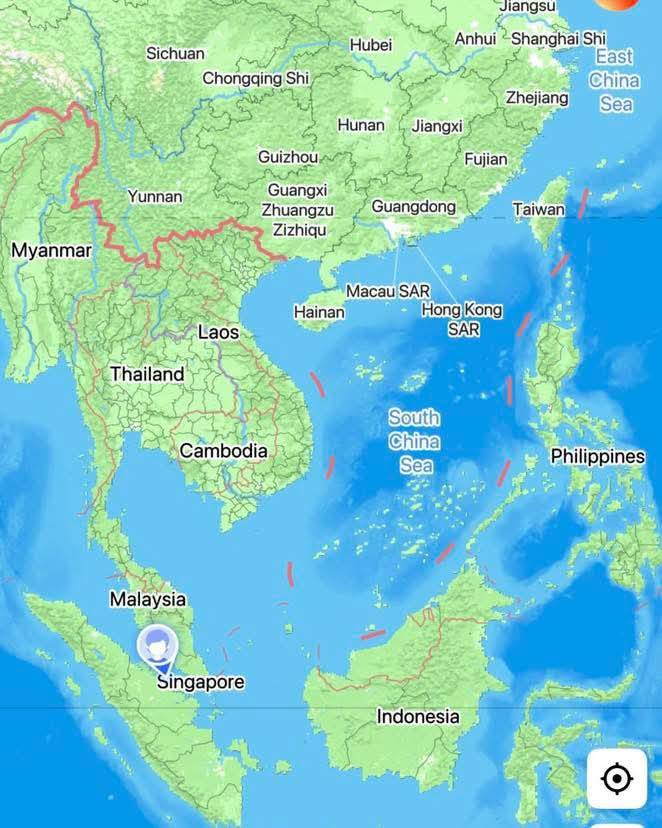 Image Credit: Facebook
In case you’re unfamiliar with the issue, the nine‑dash line represents a broad and vague territorial claim that overlaps with the maritime zones of several countries, including the Philippines, Vietnam, and Malaysia. It has been widely disputed under UNCLOS (the UN Convention on the Law of the Sea), leading to regional tensions, resource disputes, and concerns over freedom of navigation.
Featured Image Credit: Play Store, Facebook


