TLDR
- Malaysia Prison Museum in Melaka showcases the history of the country’s second-oldest prison, complete with a chilling execution chamber and exhibits on prisoners’ lives.
- Kota Jail in Johor Bahru, a former prison and military bunker, has now been reopened as a heritage site featuring a café and gallery that highlight the history of incarceration and British colonial rule.
- Penang War Museum, one of the largest former British military fortresses in Southeast Asia, features underground tunnels and explores the history of detention and torture during World War II.
We usually think of museum visits as something light, educational, and maybe even a little aesthetic for the weekend. A quiet stroll past old artefacts, a few interesting photos for the feed, and a casual dive into history, nothing too heavy. But not all museums offer that kind of experience.
Some places take you deeper, revealing the more haunting, lesser-discussed side of Malaysia’s past. Here are three museums in Malaysia where you can explore the darker side of history, and maybe walk away seeing the past in a whole new light.
1. Malaysia Prison Museum
Located right in the heart of Melaka, this historic prison is known as the country’s second-oldest. Originally built by the British in 1860, the facility has witnessed decades of history and several transformations over the years.
The prison was first known as HM Prison Jail before later being converted into a juvenile detention centre under the name Henry Gurney School 2nd Bandar Hilir. In 1990, it was renamed Bandar Hilir Prison, a name it kept until operations officially came to an end about two decades later.
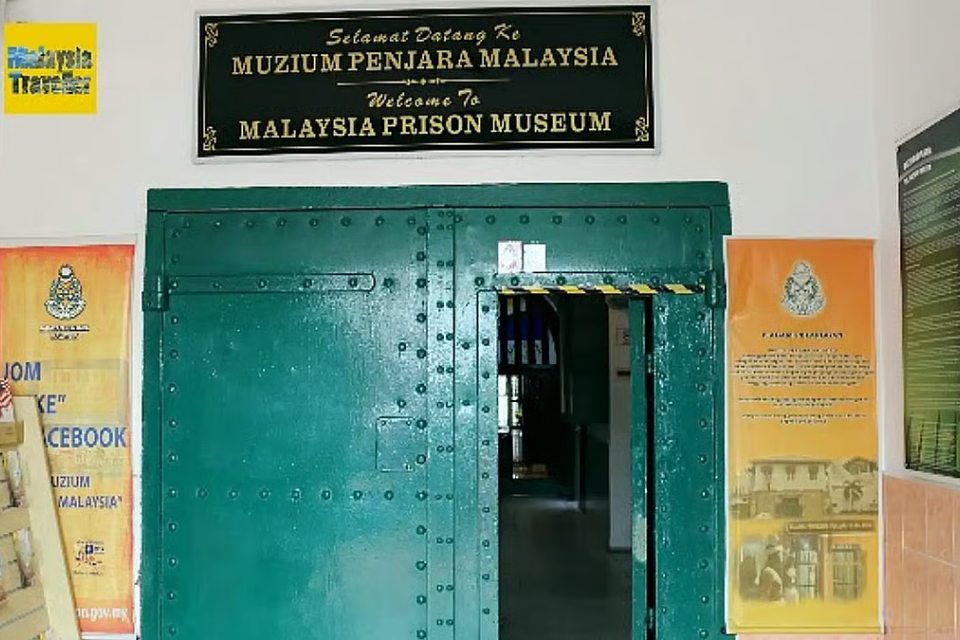 Image Credit: FMT
In 2014, the former prison was given a new lease on life through a preservation effort led by the Malaysian Prison Department and local authorities. After serving its purpose for more than 150 years, the facility was transformed and reopened to the public as the Malaysia Prison Museum.
Spread across two storeys, the museum still preserves much of its original structure, furniture, and equipment, giving visitors a rare glimpse into what prison life in Malaysia once looked like.
For thrill-seekers looking for something more chilling, the execution room is undoubtedly one of the museum’s most haunting attractions. Tucked away at the far end of the second floor, the room houses gallows once used for hangings. Beneath it sits a trapdoor that would open during the execution, connecting directly to the floor below, where the body would later be placed onto a mortuary trolley.
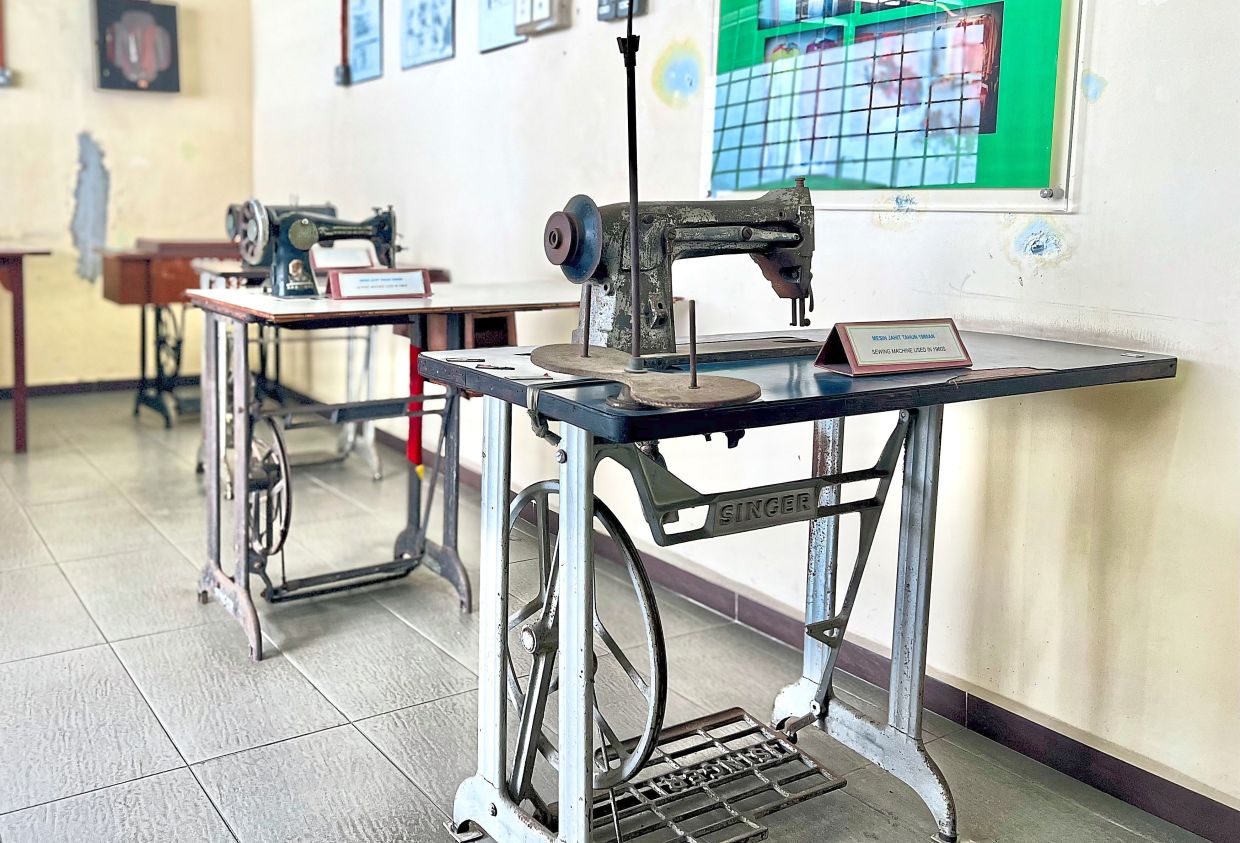 Image Credit: The Star
According to information displayed at the museum, the prison once housed more than 300 inmates. While some chose to spend their time idly in their cells, others worked for a small wage. Some prisoners were assigned daily responsibilities such as preparing meals or sewing prison uniforms.
In prison, having a job is more than just a way to pass time—it also comes with certain privileges, such as a larger sleeping area. Those who worked were allowed to sleep in a dormitory that could accommodate up to 10 inmates. Meanwhile, those who didn’t had to remain in their cells, which were much smaller and had only one tiny window. Each cell held up to six inmates and was equipped with just two buckets for waste.
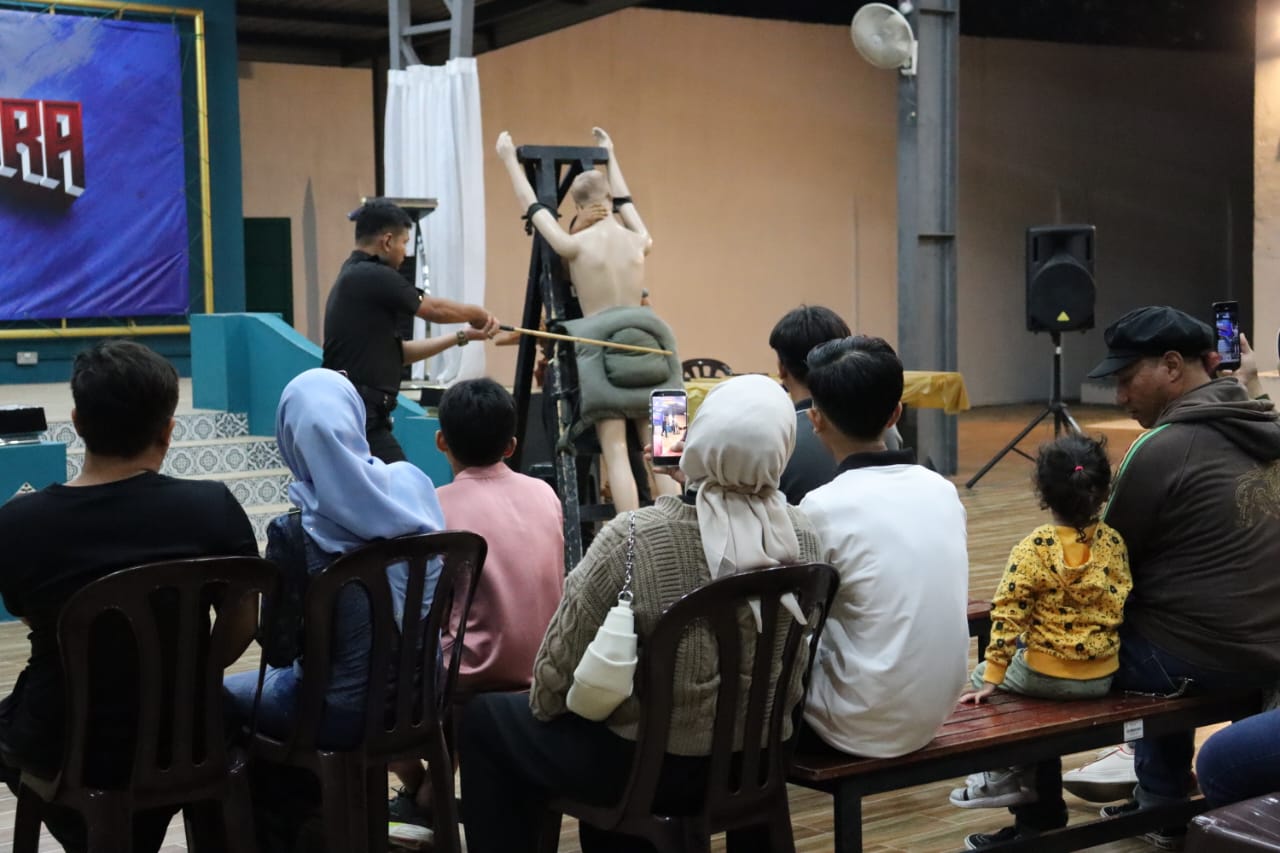 Image Credit: Facebook
Although visitors can explore the museum on their own, guided tours are also available via booking. These tours include a demonstration of caning—performed on a dummy, of course—by the tour guide.
The Malaysia Prison Museum is open daily except Mondays, from 9 AM to 5 PM. For now, until 31 May, admission is free. For more information, check out their official Facebook page.
Address: Malaysia Prison Museum, Jalan Parameswara, Kampung Bandar Hilir, 75000 Melaka
Operational hours: Open daily except Monday (9 AM–5 PM)
2. Kota Jail
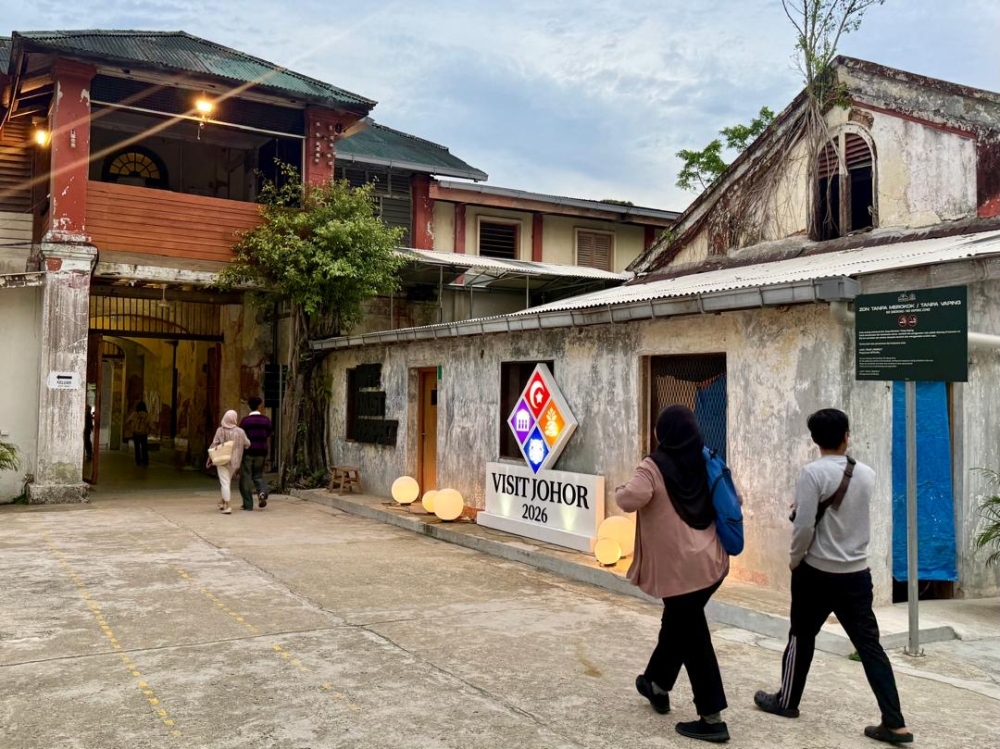 Image Credit: Malay Mail
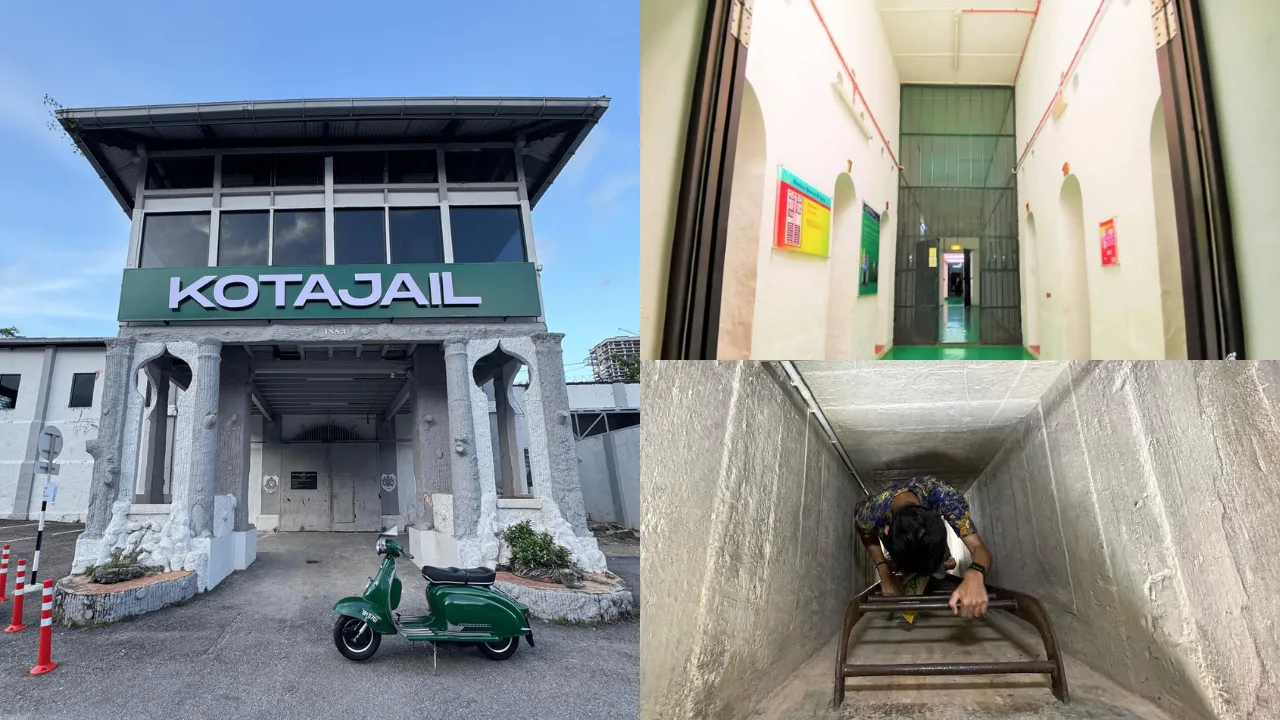
Hidden behind its ageing walls is a building that has witnessed some of the most turbulent chapters of Malaysian history. Known today as Kota Jail, the site was originally called Ayer Molek Prison when it first opened in 1883, making it the third-oldest prison in Malaysia.
Unlike other prisons that primarily detained offenders, this facility also held dissenters and individuals who opposed British colonial rule, turning it into a silent witness to the country’s struggle during the colonial era. It also served as a military bunker during the Japanese Occupation from 1941 to 1945. The prison was decommissioned in 2018 and left abandoned until a local group saw its potential.
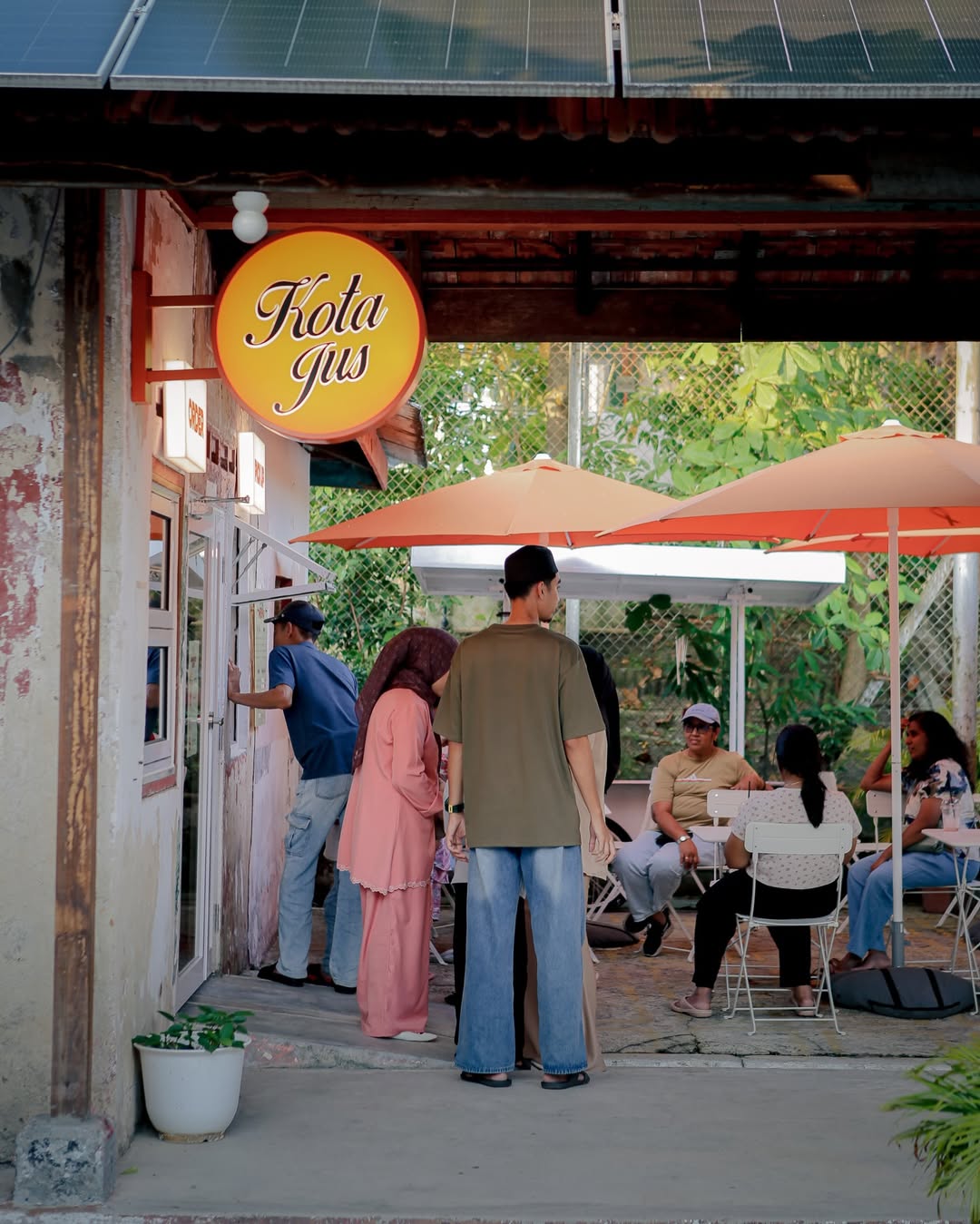 Image Credit: Instagram
On 14 March 2025, Kota Jail was officially reopened as a tourism and heritage site. While some of the former prison cell blocks have been repurposed into a café, bakery, and florist, much of the site remains untouched to preserve its original character. Visitors can go on a self-guided tour for a glimpse into prison life dating back to the 1990s.
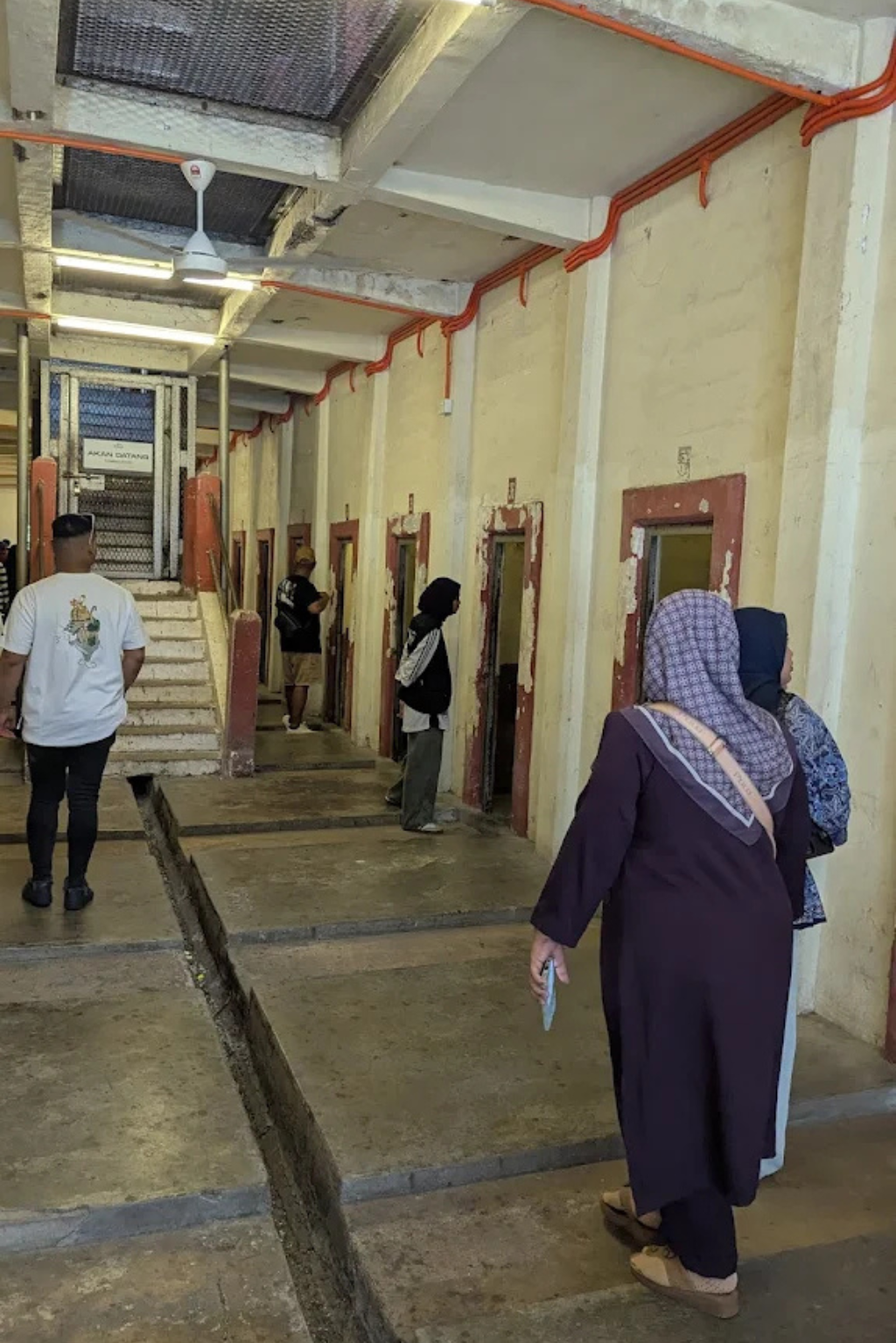 Image Credit: Google Images
The tour features old photographs and displays that offer insight into the daily routines of inmates, from their living quarters to the punishment blocks. At the end of the tour, visitors are brought into an audio-visual room where footage from the Prisons Department is shown, including how caning was carried out.
While entry to the site is free, local visitors must pay RM5 and foreigners RM10 to visit the Ayer Molek Prison Gallery. Kota Jail is open daily from 10 AM to 10 PM. Check out their Instagram page for updates on events.
Address: Kota Jail, Jalan Ayer Molek, Bandar Johor Bahru, 80000 Johor
Operational hours: Open daily (10 AM–10 PM)
3. Penang War Museum
While not exactly a prison, this site is still worth highlighting for its sheer historical weight. Located on Bukit Batu Maung, the Penang War Museum is often described as one of the largest war museums in Southeast Asia.
Originally built by the British in the 1930s, the site began as a military fortress designed to defend the Straits of Melaka from potential attacks via the southern channel. Spanning roughly 19 acres, the fortress also offered an impressive panoramic view of the surrounding sea.
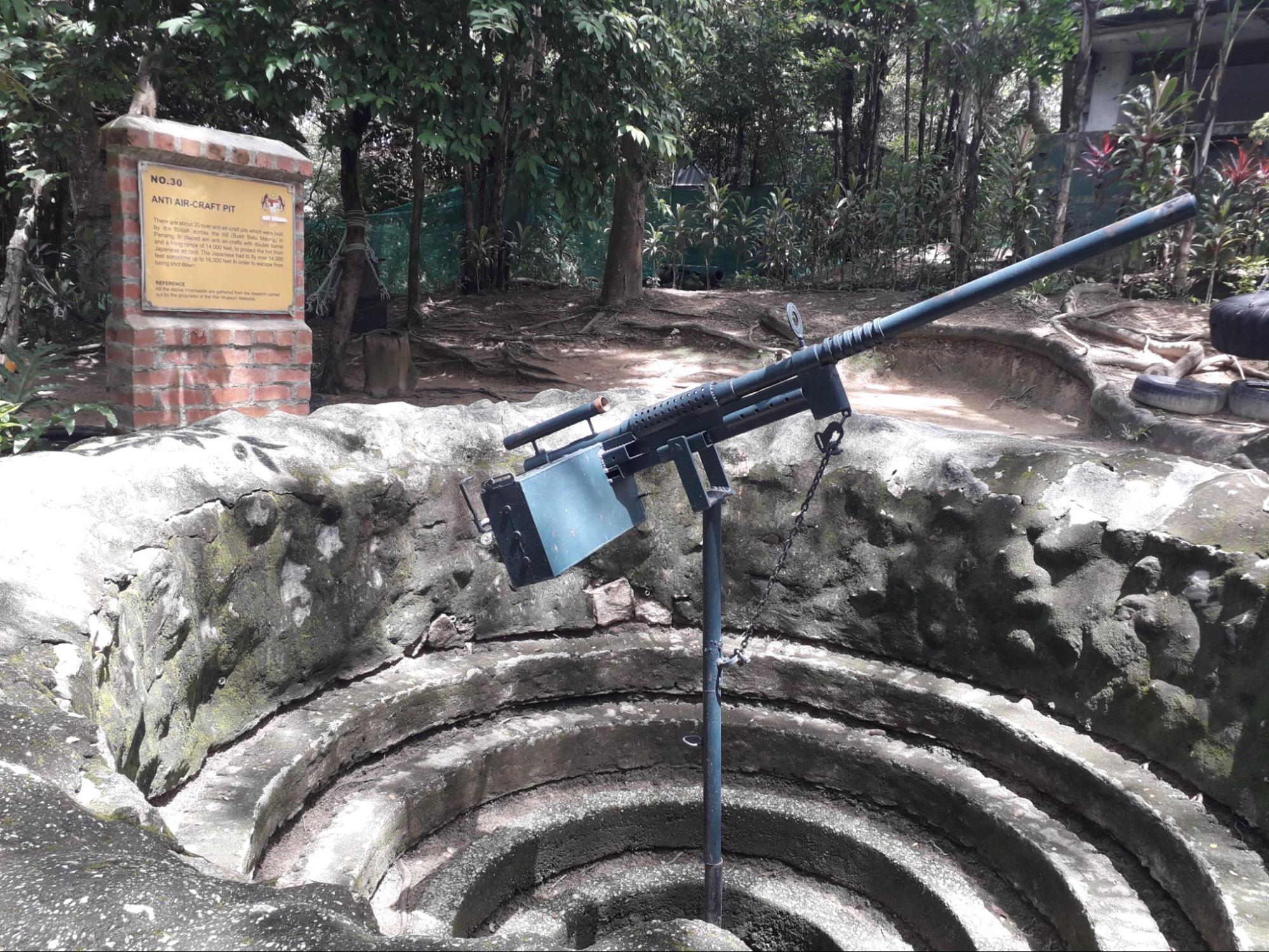 Image Credit: MyPenang.gov
The complex was equipped with various military facilities, including cannon-firing bays, anti-aircraft firing pits, soldiers’ quarters, a cookhouse, lock-up cells, and a command centre.
During World War II, the fortress eventually fell into Japanese hands after troops advanced by land rather than sea, catching British forces off guard. Under Japanese occupation, the site was reportedly used to detain prisoners of war, with several areas believed to have been used for torture and executions, including a guillotine stand and a room marked with bullet holes.
After the Japanese left Malaya in 1945, the fortress was abandoned for decades before being revived by a local entrepreneur who recognised its historical value. In 2002, after nearly 60 years of neglect, the site was restored in collaboration with the Penang State Government and officially reopened as the Penang War Museum.
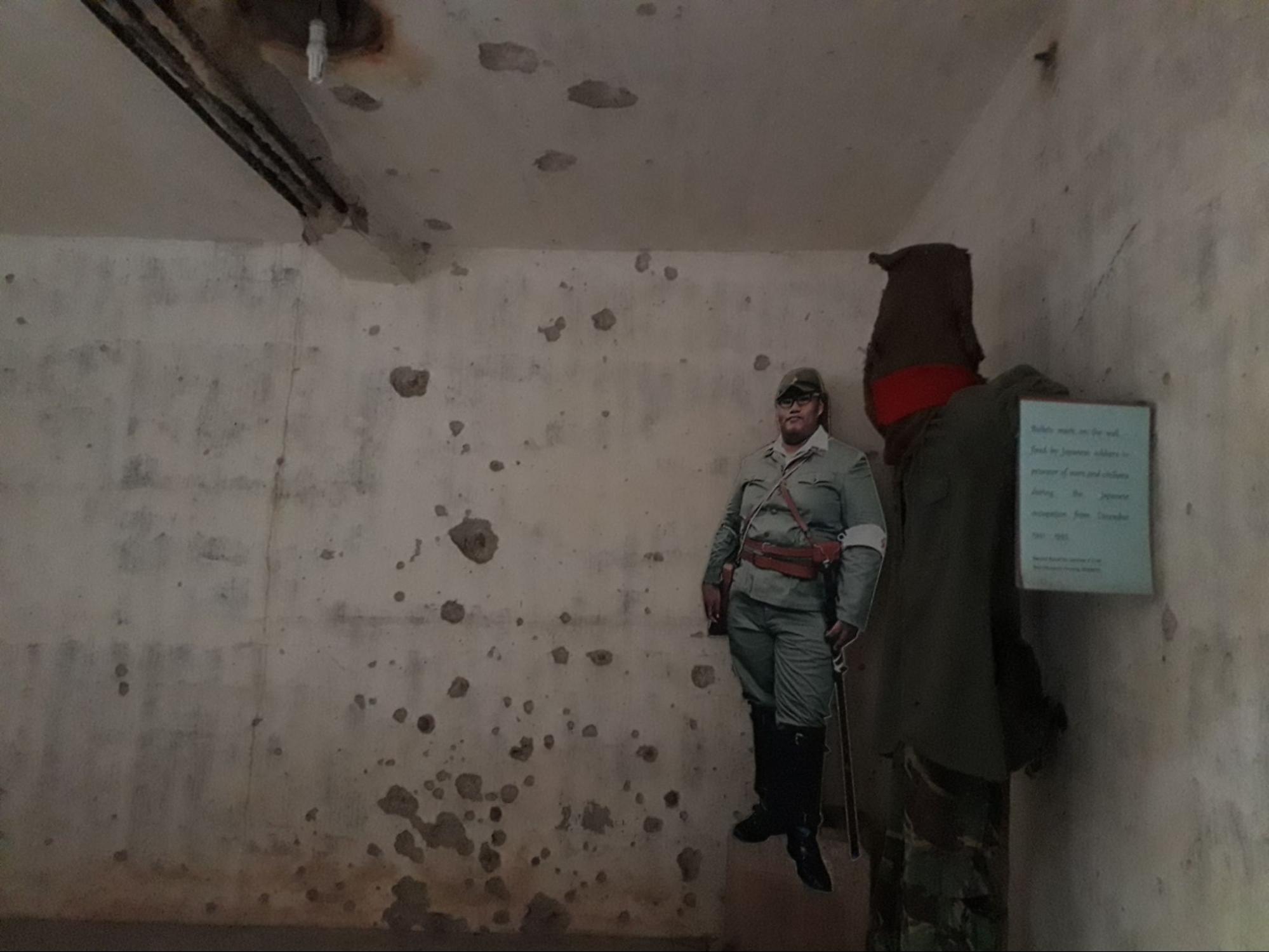 Image Credit: MyPenang.gov
One of the museum’s highlights is its extensive network of underground tunnels and bunkers built by the British. Some tunnels can be quite narrow and pitch-dark, so visitors should exercise caution when exploring them.
The Penang War Museum operates daily from 9 AM to 6 PM. Tickets cost RM22 per adult for Malaysians and RM38 per adult for foreigners. Guided tours are also available and highly recommended for navigating the tunnels.
Address: Lot 1350, Mukim 12, Daerah Barat Daya, Jalan Batu Maung, 11960 Batu Maung, Pulau Pinang, Malaysia
Operational hours: Open daily (9 AM–6 PM)
Featured Image Credit: TSL, Blogspot
You may be interested in

HNL Kerepek Pisang Masin / Banana Salted Chips

ZANZEA Women Solid Two-Piece Bat Sleeve Vintage Muslim Maxi Dress

YAN@YAN Sut Wanita Gaya Korea

ZANZEA Women Korean Casual Stripes Drop Shoulder 3/4 Sleeve Blouse