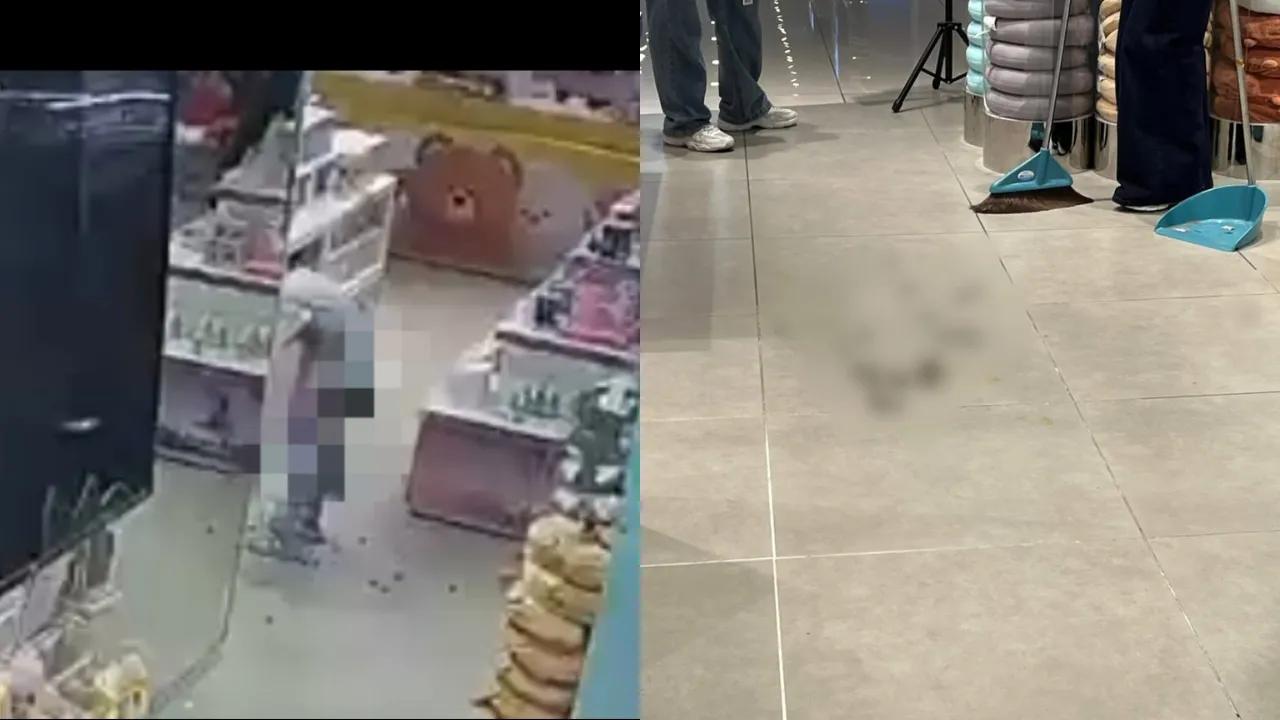
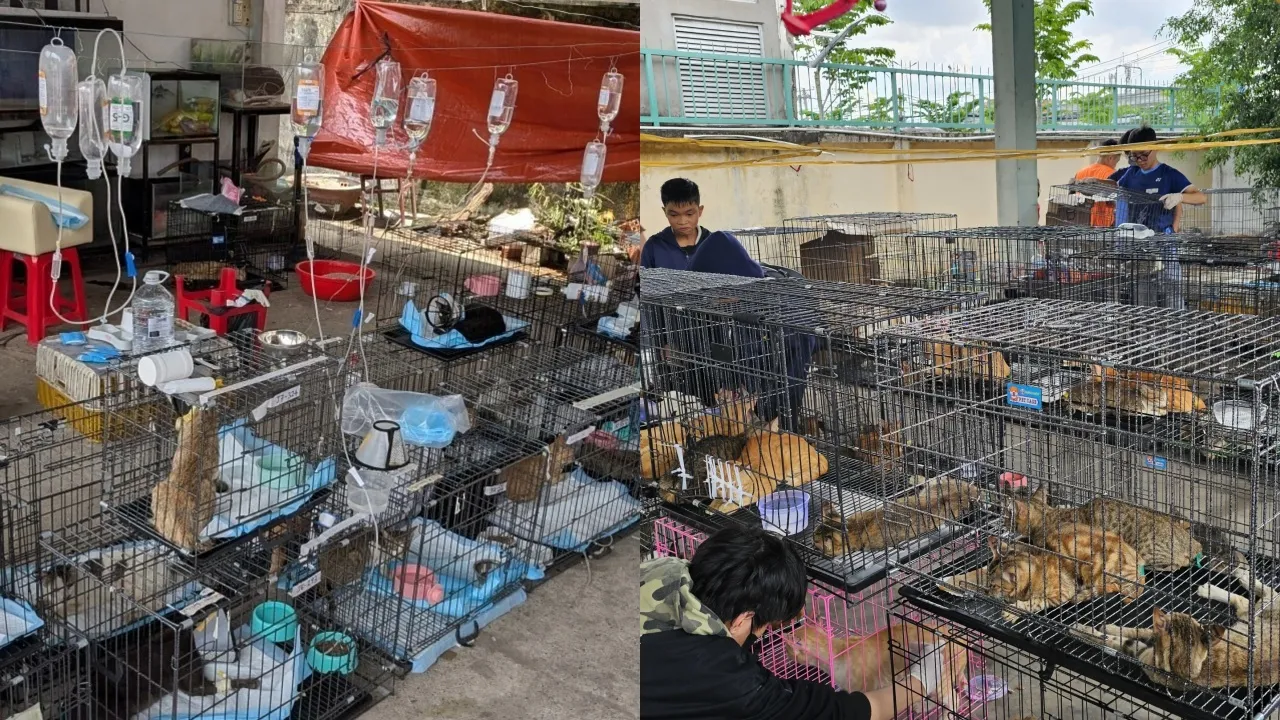
TLDR
- More than 400 cats were rescued from a cat meat trafficking ring in Ho Chi Minh City during a major police operation.
- Nine suspects were detained, admitting to sourcing cats from various locations in southern Vietnam over three years.
- Animal welfare groups highlight changing attitudes in Vietnam, with growing efforts to reduce the trade and improve pet protections.
A major police operation in Ho Chi Minh City has led to the rescue of more than 400 cats from an alleged cat meat trafficking ring, in what animal welfare groups are describing as one of Vietnam's largest cat welfare cases in recent years.
The multiday operation, carried out last week, uncovered hundreds of live cats being kept in cramped cages, while dozens more were found dead. According to local authorities and animal welfare organisations, 45 cages containing around 400 live cats were discovered, alongside foam containers holding approximately 80 dead animals.
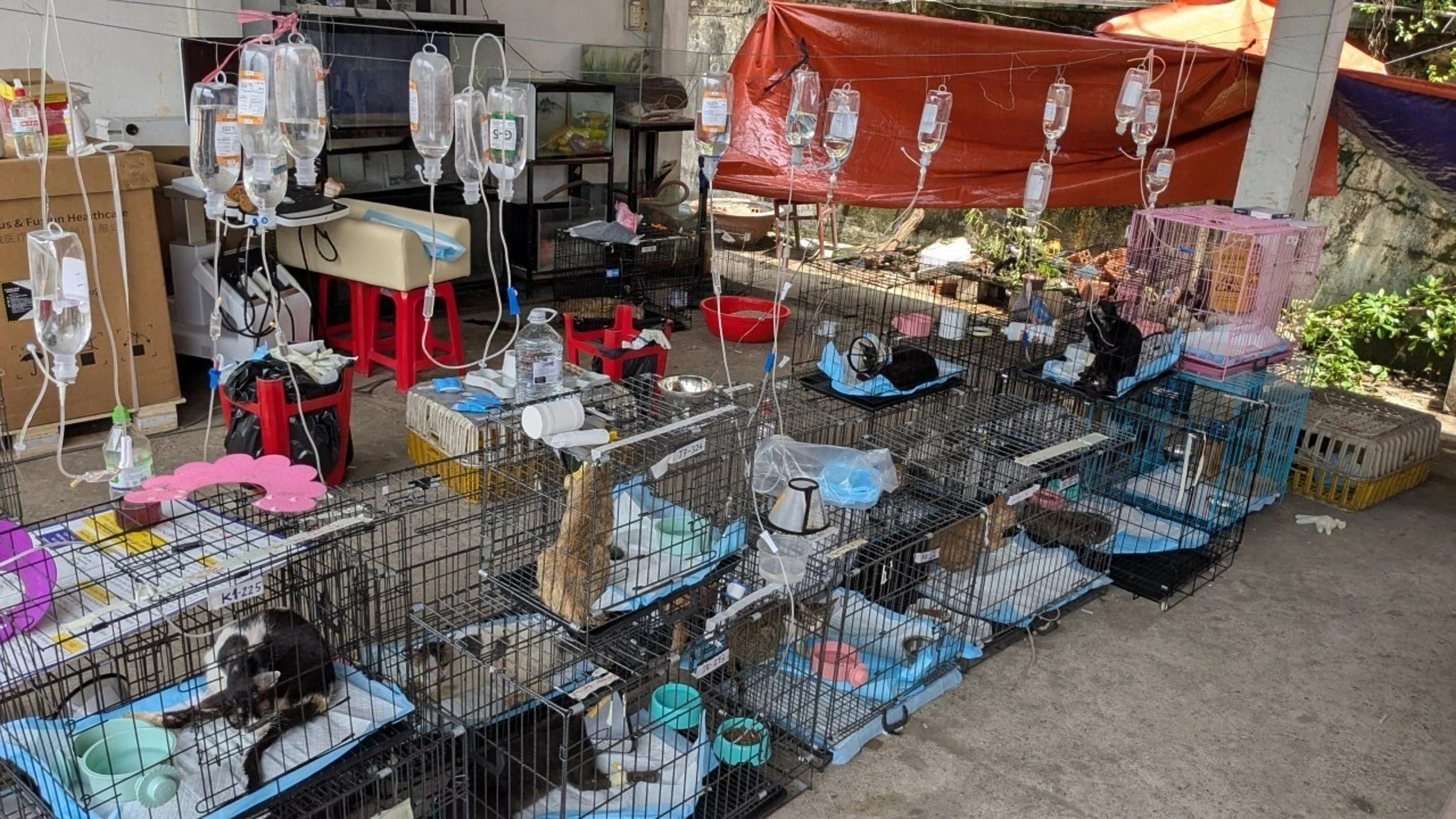 Image Credit: AP News
The rescue effort has already led to emotional reunions, with more than 40 cats reportedly returned to their owners. However, the happy endings have been tempered by tragedy, as around 100 rescued cats are said to have died due to the harsh conditions they endured prior to being rescued.
A breakthrough following pet theft investigations
The operation reportedly began after police investigated a string of pet theft cases across Ho Chi Minh City. Authorities eventually traced the incidents to an organised network allegedly involved in trapping, collecting and selling cats for consumption.
Nine individuals were detained in connection with the case, according to local media reports. Police said the suspects admitted to sourcing cats from multiple locations across southern Vietnam over the past three years, including Ho Chi Minh City, Tay Ninh and An Giang.
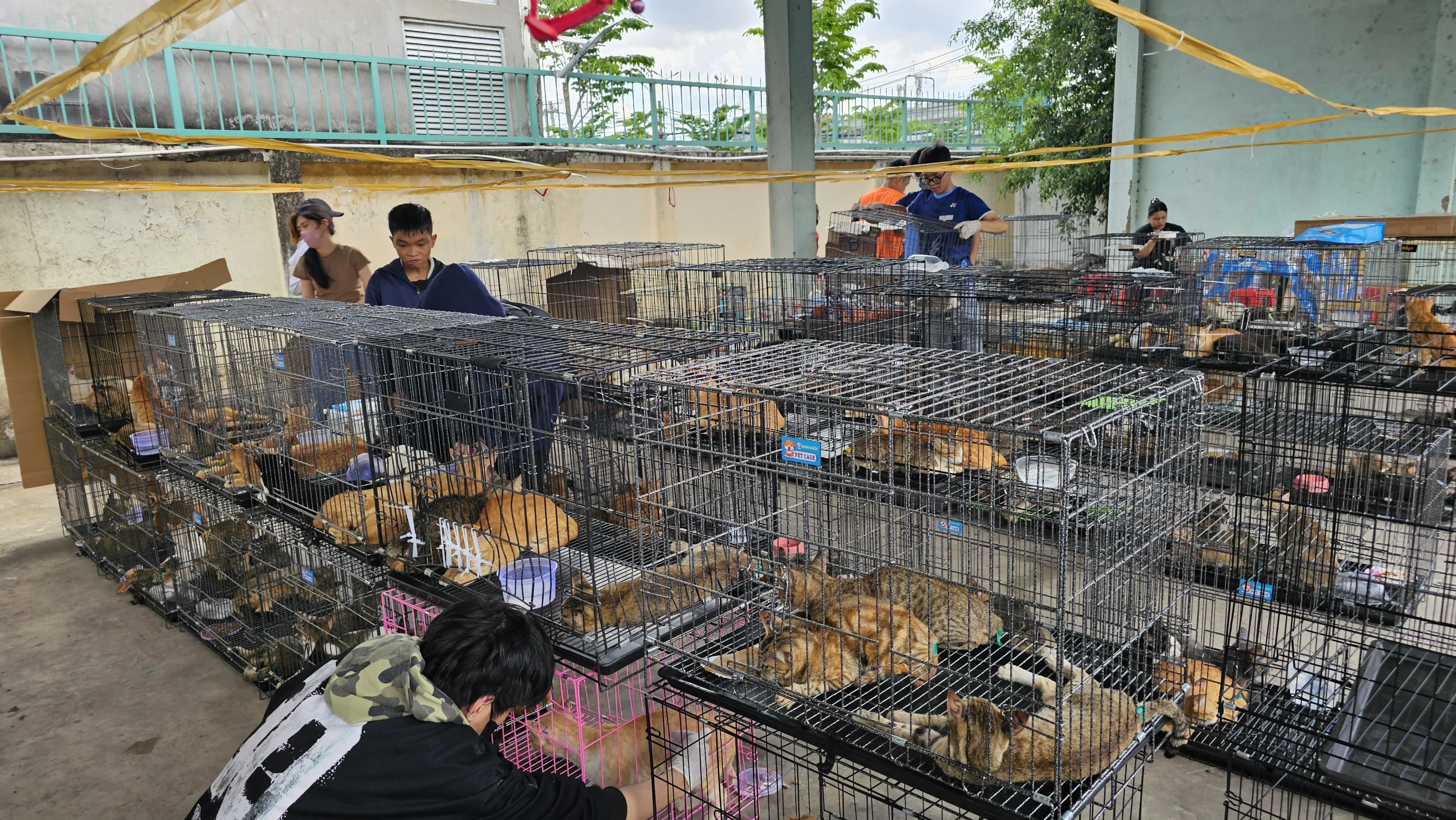 Image Credit: AP News
A changing conversation around pet ownership
While the consumption of dog and cat meat remains legal in Vietnam, vendors are required to have permits proving the origins of the animals. Nevertheless, animal welfare advocates have long argued that the trade can create opportunities for pet theft and illegal sourcing.
In recent years, attitudes toward pets have been evolving across parts of Vietnam, particularly among younger urban residents who increasingly view cats and dogs as family members rather than livestock.
Some cities have already begun taking steps to reduce the trade. Hoi An, for example, has partnered with international animal welfare organisations in efforts to discourage the consumption of dog and cat meat.
Vietnamese authorities have previously indicated plans to strengthen legal protections for pets and improve safeguards for pet owners.
Featured Image Credit: AP News
You may be interested in

The mini retro gramophone Bluetooth speaker is compact and delicate, making it the top choice for gifts to girls. 复古音响-048

Walking Balloon Animals/Standing Cartoon Toys with Wheels

KING Relaxed Football Jersey Unisex in Mountain Blue by PUMA

Tudung Bawal Cotton Bidang 45 NEW COLOUR Bucu Tajam Square Hijab