TLDR
- Azimah Abd Rahim, a Malaysian single mother, works as a food delivery rider while caring for her disabled daughter due to lack of reliable babysitters and past abuse incidents.
- Her daughter, Nur Ainul Zahirah Rahidi, is blind, autistic, and has G6PD deficiency, requiring constant medical attention and therapy.
- Azimah earns around RM500-RM700 monthly, receives zakat assistance, and urges the government to improve aid policies for single mothers with disabled children.
Raising a child as a single parent is never an easy feat, let alone caring for a child with disabilities.
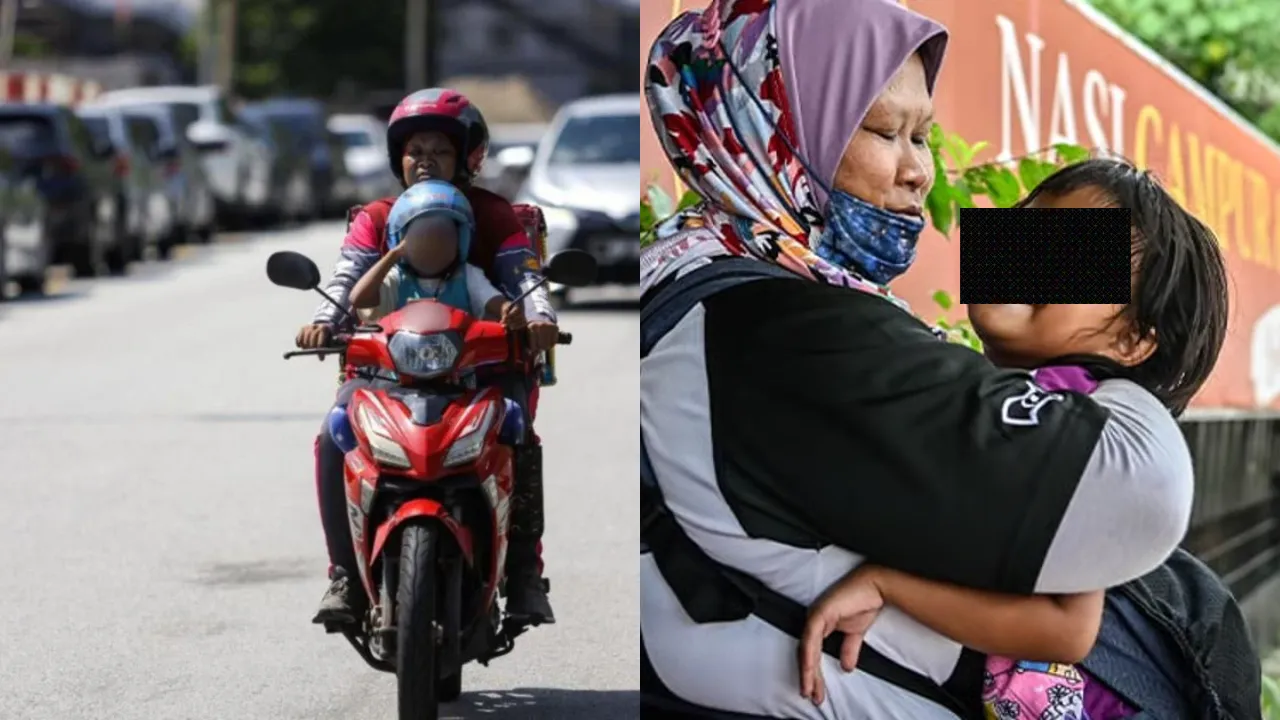
That is the reality for one Malaysian single mother, who had no choice but to bring her disabled daughter along while working as a food delivery rider.
Azimah Abd Rahim turned to food delivery work during the Covid-19 pandemic, when the country implemented the Movement Control Order (MCO) to curb the spread of the virus.
For illustration purposes only
Image Credit: FMT
According to Azimah, she became desperate after funds from the Social Welfare Department were delayed for months, leaving her with almost nothing. She even had to borrow money just to register as a rider.
“After the divorce, I had no money and no job. My ex-husband did give me a monthly allowance, but because of his poor health, it was very little and barely covered anything.
“My expenses aren’t limited to food and shelter. I also need money for my daughter’s schooling, therapy and hospital visits,” she explained.
Daughter has had 48 babysitters
In an interview with NST, Azimah shared that the reason she brings her daughter along while working is not simply because she cannot find anyone to care for her. Rather, every attempt to leave her child with a babysitter reportedly ended in mistreatment.
Azimah’s daughter, Nur Ainul Zahirah Rahidi, 8, is blind, autistic and has G6PD deficiency, a genetic condition that requires careful medical management.
“It’s not that I don’t want to send her to a babysitter. Every evening when I came home, I would see bruises from her neck down to her feet. When I asked what happened, the babysitter said she had fallen.
“But when I went for a hospital appointment, the doctor told me the bruises were not caused by falls but were pinch marks,” she said.
Understandably, the experience left Azimah so traumatised that she chose to bring her daughter everywhere she went, despite facing criticism from others.
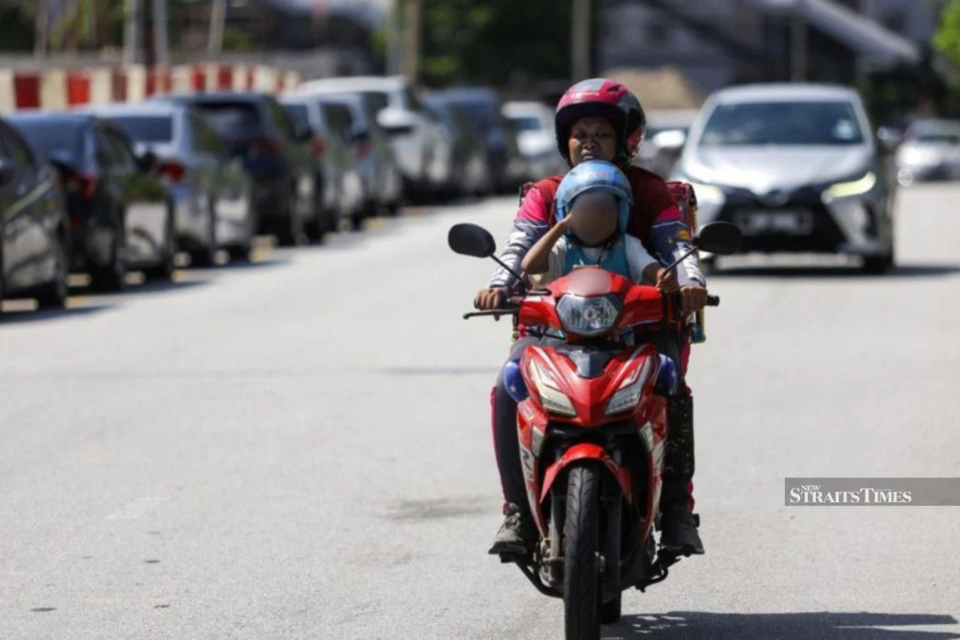 Image Credit: NST
Azimah shared that customers often scolded her for bringing her child along. Some even accused her of not loving her own daughter.
“They ask, ‘What’s wrong with you? Don’t you love your child?’ I just ignore them. Some even say, ‘If you don’t love your child, you might as well die.’”
Azimah has also been diagnosed with depression
Today, Azimah earns between RM500 and RM700 a month. In addition, she receives RM600 in zakat assistance. It is understood that most of the money goes towards rent, hospital visits, therapy and other essential expenses.
Aside from caring for her daughter, Azimah has also had to manage her own health after being diagnosed with depression.
Although Azimah receives zakat assistance, she revealed that her welfare aid had been discontinued. While she believes that others may be facing greater hardship, she does not want to beg for help. Instead, Azimah hopes the government will review its aid policies and provide targeted support for single mothers raising children with disabilities.
Featured Image Credit: NST, FMT
You may be interested in

The mini retro gramophone Bluetooth speaker is compact and delicate, making it the top choice for gifts to girls. 复古音响-048

KING Relaxed Football Jersey Unisex in Mountain Blue by PUMA

Tudung Bawal Cotton Bidang 45 NEW COLOUR Bucu Tajam Square Hijab
Uniqlo AIRism Cotton Flare Dress | Long Sleeve