

TLDR
- On August 4, 1975, five members of the Japanese militant group, the Red Army, stormed the 9th floor of the AIA Building on Jalan Ampang, taking 53 hostages from several foreign embassies.
- The militants demanded the release of seven of their members who were imprisoned in Japan, and after four days of negotiations, five of the prisoners were freed and flown out of Malaysia to Libya.
- All the hostages were eventually released safely, and several brave Malaysian officials who took the place of the hostages were also sent to Libya before returning home.
For many Malaysians today, the idea of a hostage crisis unfolding in the heart of KL feels almost unimaginable. But in 1975, what began as an ordinary day quickly turned into a high‑stakes crisis that placed Malaysia in the global spotlight and tested its diplomatic resolve.
On 4 August, 1975, at roughly 11 AM, five members of a communist militant group, the Japanese Red Army (JRA), stormed the 9th floor of the AIA Building on Jalan Ampang. At the time, the floor housed five foreign embassies, including those of the United States and Sweden.
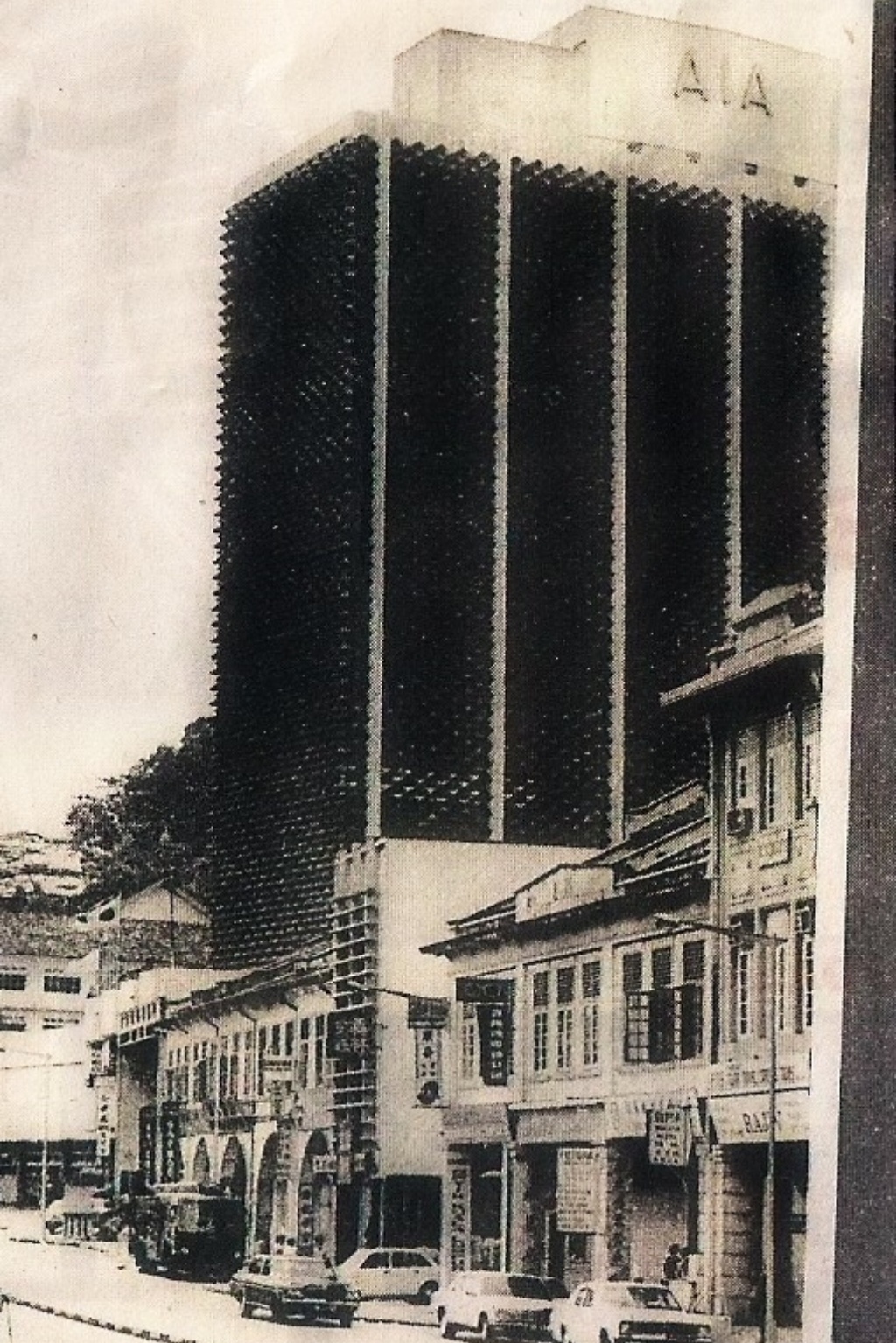 Image Credit: Iluminasi
A Foreign Service Officer, Robert Dillon, recalled that he was working on another floor of the building when he began hearing a series of gunshots.
“I ran to the door of my office; there were people outside milling around, wondering what was going on. It was hard to tell. We recognised quickly that the shooting was taking place on the 9th floor. So we rushed down the steps to see what was going on.”
In an interview, Dillon further said that by the time he and the others reached the floor, there was still some shooting taking place. He recalled seeing the elevator doors open and one of the building’s guards, a Malaysian, being shot by someone inside.
“The guard took a bullet right under the eye and fell back into the elevator. The door then closed. We managed to get the man out on a different floor and to a hospital. Then another guard came up and was shot through the chin – the bullet came through the jaw.”
Miraculously, no fatalities were recorded in the incident
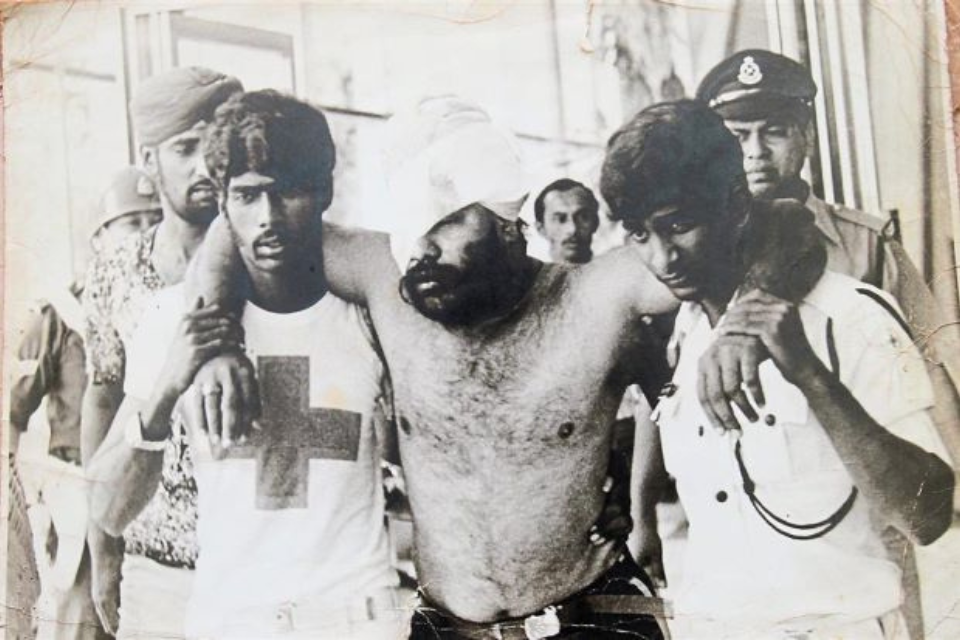 Image Credit: Iluminasi
The first guard Dillon saw being shot was a security guard named Sukhdev Singh. Despite being shot in the face, Sukhdev, who was only 29 at the time, survived. Meanwhile, the second guard, Mahalingam, was actually already out of harm’s way after escorting the injured Sukhdev for treatment. However, he headed back in to try to defuse the situation. Although he was also shot, Mahalingam managed to escape.
At the same time, Malaysian authorities and security personnel worked quickly to seal off access to the other floors. Dillon recalled how fast the police arrived to secure the floors below and shut down the elevators.
“Initially, we didn’t know who the perpetrators were. We were speculating whether it was some crazy people who had a perceived grievance against the consular section, or whether it was a terrorist attack.”
Only one demand was made
Through a note thrown from the 9th floor, the gunmen revealed themselves as members of the JRA, a far‑left militant organisation active from 1971 to 2001. The group sought to overthrow the Japanese government and monarchy, and to promote world revolution. They were also responsible for numerous attacks, including the 1972 Lod Airport massacre in Israel, which killed 26 people.
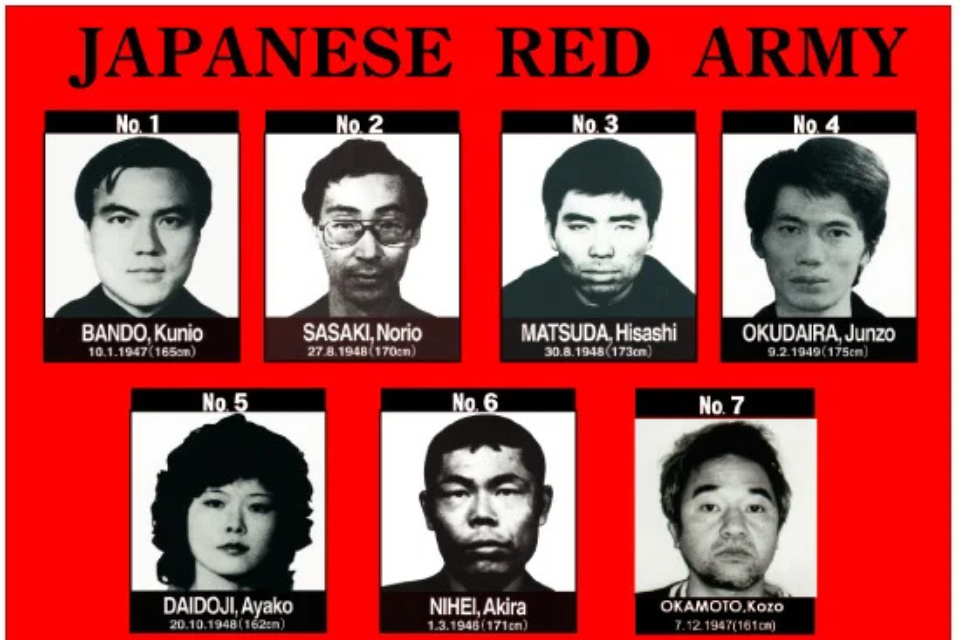 Image Credit: The Malaysian Patriot
The note also contained their sole demand: the release of seven JRA members imprisoned in Japan. They threatened to execute every hostage on the 9th floor if their demand was not met.
For the next four days, all eyes were on that floor. Authorities cut electricity to the building and sent food and water to both militants and hostages through a hole made in the wall. Microphones were also dropped in to monitor conversations.
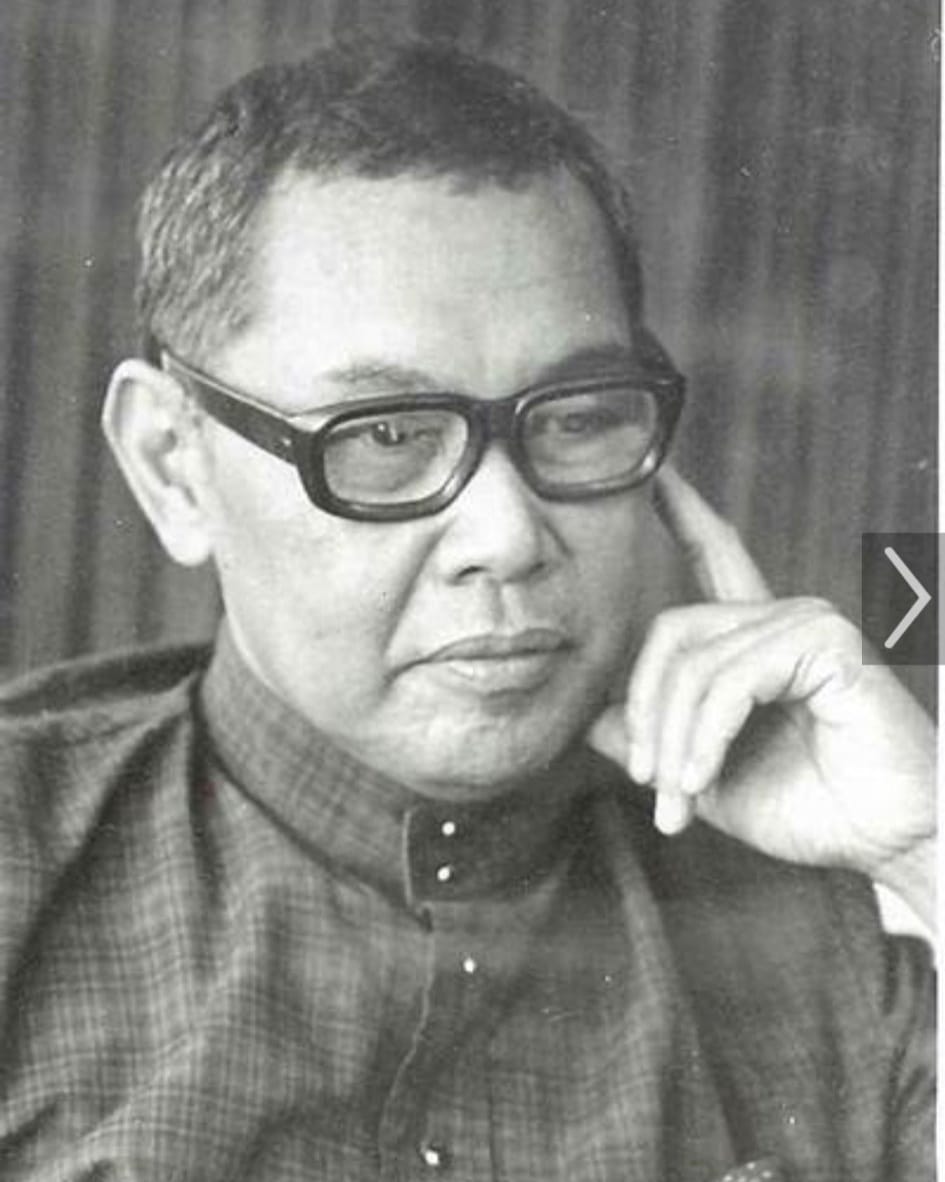 Image Credit: Facebook
Then, on August 5, after negotiations led by the Home Affairs Minister at the time, Tun Ghazali Shafie, the Japanese government agreed to release the seven JRA prisoners. However, only five of them agreed to go.
The five militants later reached Subang Airport at 7:45 PM that same evening.
One issue after another
If you thought that settled everything, you’d be wrong. While the gunmen in the AIA building were eager to leave Malaysia, along with the five freed prisoners, another problem soon emerged: no country was willing to accept them.
Iran even considered shooting down the plane if it entered Iranian airspace, while the Sri Lankan Prime Minister said she would order her troops to open fire if the plane attempted to land.
Ultimately, through sheer negotiating skill, Ghazali Shafie managed to convince the Sri Lankan Prime Minister to allow the plane to land for fuel before heading to Libya, which had agreed to accept it.
“It was an exhausting 45 minutes of negotiations. The Sri Lankan Prime Minister agreed, but the plane would be surrounded by Ceylonese troops when it landed for fuel. The troops were also instructed to shoot if anybody tried to get out,” Dillon recalled.
The next step was to free the hostages and transport the militants to the airport, an excruciating task.
“The terrorists had to come down the steps and board a bus waiting at the entrance. All the hostages would follow them to the airport, where the exchange would happen. Before boarding the plane, the JRA had agreed to remove all the explosives they had planted in the AIA walls and detonate them on the tarmac."
"On top of that, they also demanded that four senior officials fly to Libya with them, where they would later be released,” Dillon said.
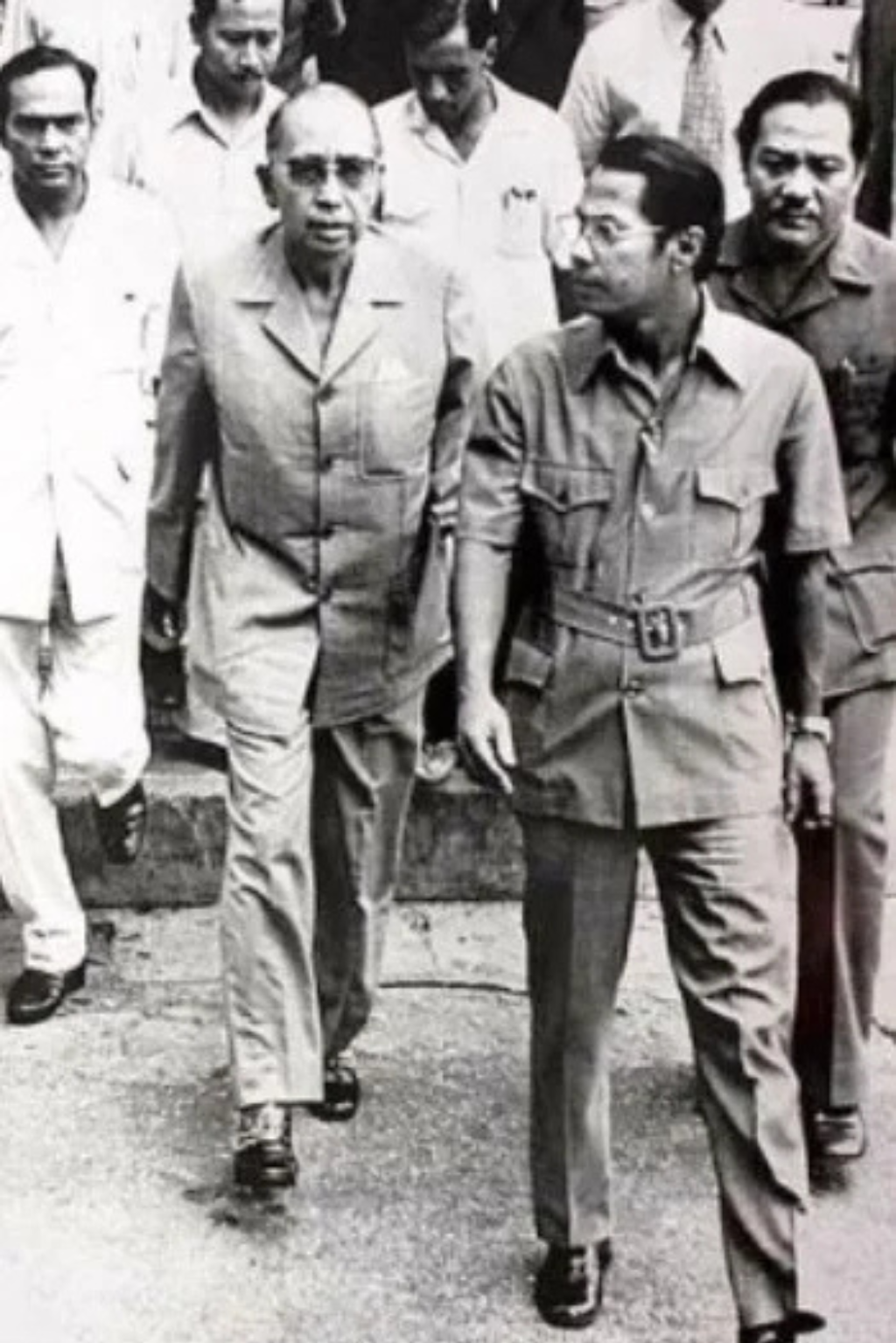 Image Credit: Iluminasi
Heroically, two Malaysians stepped forward: Tan Sri Osman Samsuddin Cassim (Secretary‑General for the Home Minister) and Dato’ Ramli Omar (Deputy Transport Minister). Two Japanese officials also joined them.
All 53 hostages were eventually freed after the four civil servants took their place. The plane reportedly arrived safely in Tripoli, Libya, and the Malaysian officials were sent home on 10 August.
In 2007, the ringleader of the attack, Haruo Wako, was arrested in Japan and later sentenced to life imprisonment.
The end of four days of crisis
Thirty‑four years after the incident, Tan Sri Osman Samsuddin Cassim was awarded the Royal Order of the Polar Star by the Swedish government for his bravery.
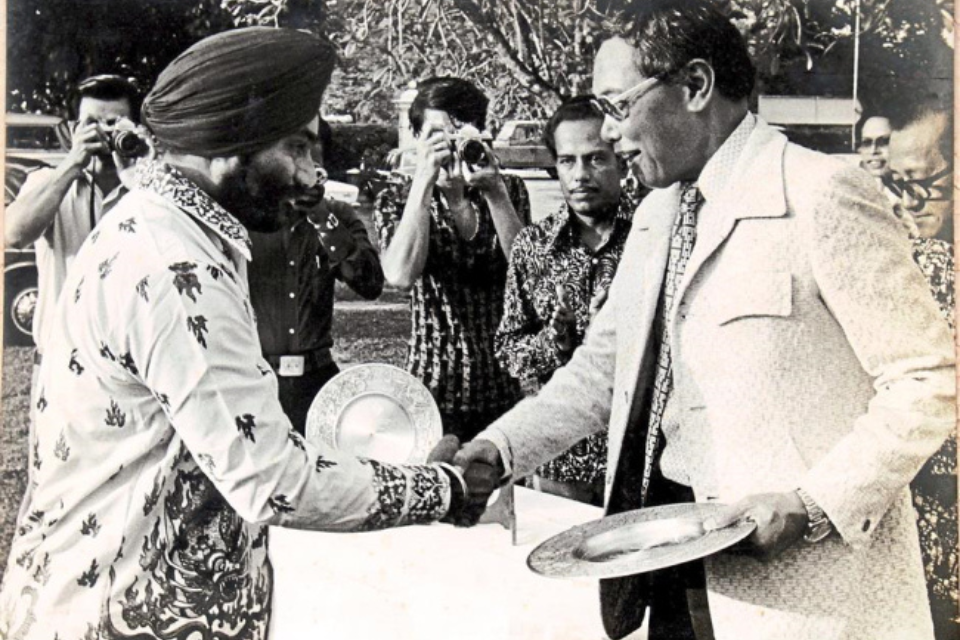 Image Credit: Iluminasi
Meanwhile, Ghazali Shafie received global praise for his negotiating efforts, and Sukhdev Singh received a pewter plaque from the American Embassy Malaysia Employees Association for his courage.
Tan Sri Osman Samsuddin Cassim went on to continue serving the nation, with his last position being the Public Service Department Director‑General from 1980 to 1985. He passed away in 2024 at the age of 93.
Featured Image Credit: Iluminasi
You may be interested in
Nur Food Kurma Ajwa Madinah AA (1kg) (Nur Food Kurma Ajwa Madinah AA (1kg))

Uniqlo AIRism Cotton Flare Dress | Long Sleeve

Kurta Larik Pelikat Relaxed Fit

Sejadah baldu gebu tebal 5D