
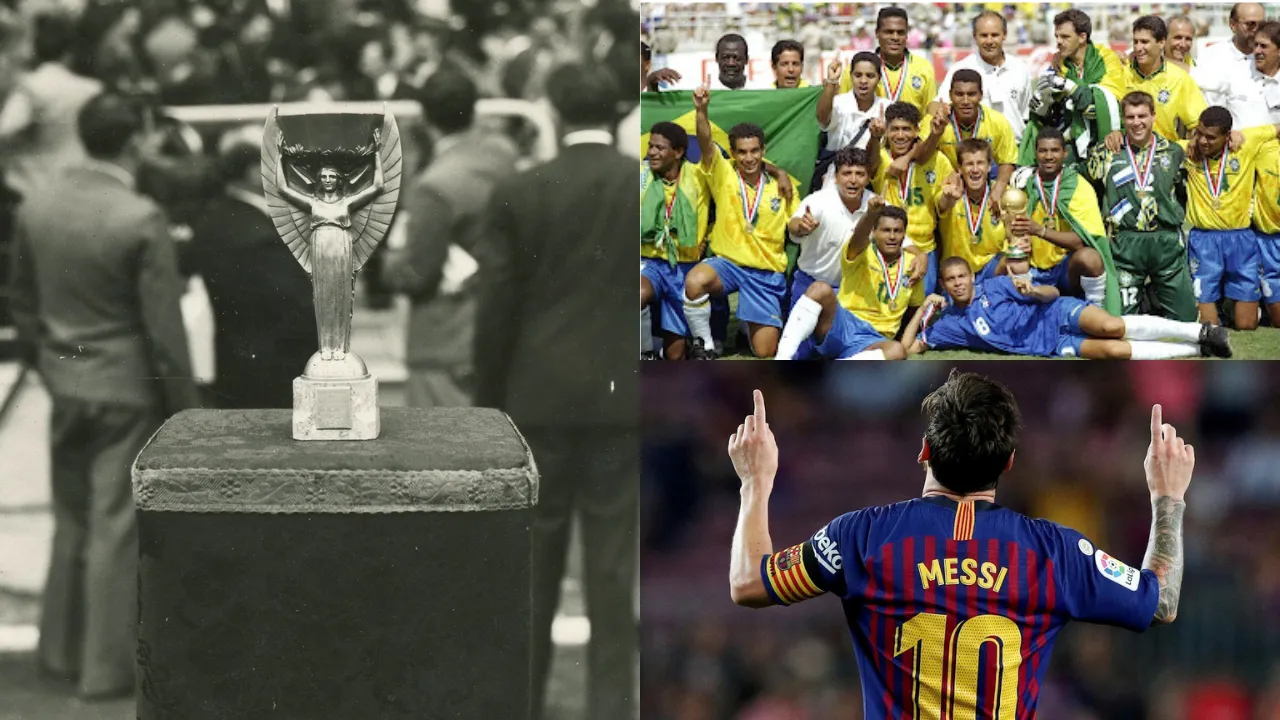
TLDR
- Argentine legend Lionel Messi holds the record for the most appearances in FIFA World Cup history with 26 matches, as well as the longest playing time at 2,315 minutes.
- The 2026 World Cup is expected to feature a specially designed official ball by Adidas, continuing the tradition of iconic match balls since 1970, including the famous “Telstar” and “Jabulani.”
- Brazil remains the most successful nation in World Cup history with five titles, while Germany’s Miroslav Klose holds the record for the most goals scored with 16.
Every four years, the FIFA World Cup manages to capture the attention of millions of people, even those who do not normally follow football. Whether it’s staying up late to watch matches, joining prediction pools, or cheering for a favourite national team, the tournament has a way of bringing people together like few other sporting events can.
With the 2026 World Cup fast approaching, now might be the perfect time to brush up on your football knowledge. Here are 10 things you might not know about football’s biggest stage.
1. The player with the most World Cup appearances
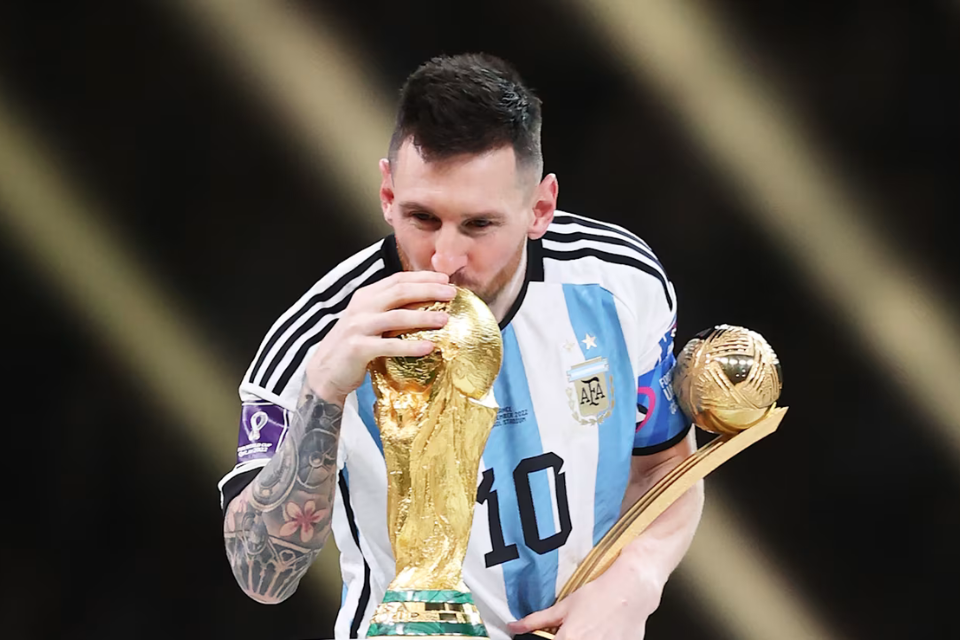 Image Credit: Olympics.com
Legendary Argentine footballer Lionel Messi became the player with the most appearances in FIFA World Cup history, reaching an impressive 26 matches. The milestone came after the then-35-year-old captain featured in the 2022 World Cup final in Qatar. The record surpassed Germany’s Lothar Matthäus, who previously held the record with 25 appearances.
Additionally, Messi also holds the record for the most total time spent on the pitch in World Cup history, with an incredible 2,315 minutes played. The previous record was held by Italian footballer Paolo Maldini with 2,217 minutes.
2. The World Cup trophy is made of solid gold
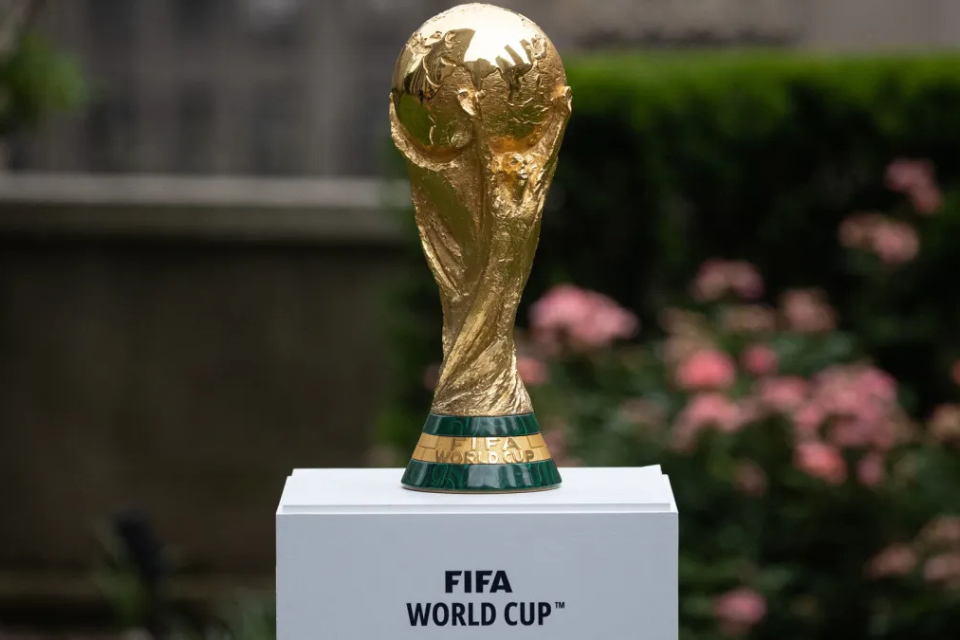 Image Credit: NBC
The World Cup trophy is officially described as being made of solid gold. It stands 36.5 cm tall and weighs 6.175 kg, with 18-karat (75%) gold used in its construction. The two bands visible on the base of the trophy are made of malachite.
According to reports, the gold used in the trophy was valued at around US$161,000 in 2018. However, the trophy as a whole is estimated to be worth approximately US$20 million, making it by far the most valuable trophy in sport.
In case you are wondering whether the winners get to keep such a valuable trophy, the answer is no. Instead, the champions receive a gold-plated bronze replica, while the official trophy is kept at the FIFA Museum in Zurich, Switzerland.
3. The original World Cup trophy resembled the ancient Greek goddess of victory
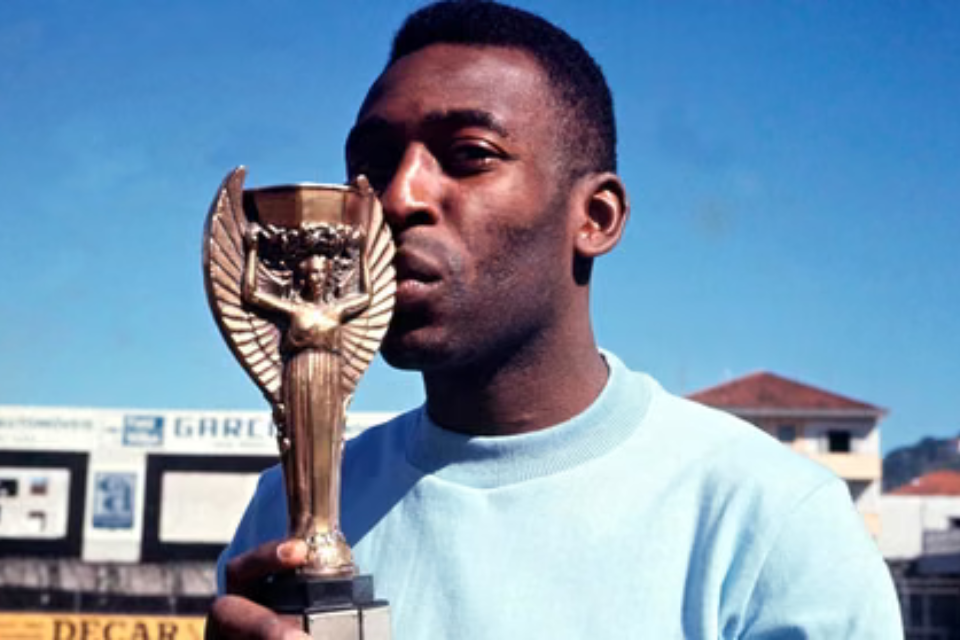 Image Credit: The Guardian
Did you know that the World Cup trophy we see today is not the original design?
Designed by French sculptor Abel Lafleur, the original trophy was initially named Victory and depicted Nike, the ancient Greek goddess of victory. The trophy was crafted from gold-plated sterling silver and mounted on a lapis lazuli base.
It was later renamed the Jules Rimet Trophy in honour of the third FIFA president, who was instrumental in launching the first World Cup tournament in 1930.
Brazil was awarded permanent ownership of the Jules Rimet Trophy in 1970 after becoming the first nation to win the World Cup three times. However, the trophy was later stolen and has never been recovered.
4. The World Cup trophy was stolen in 1966
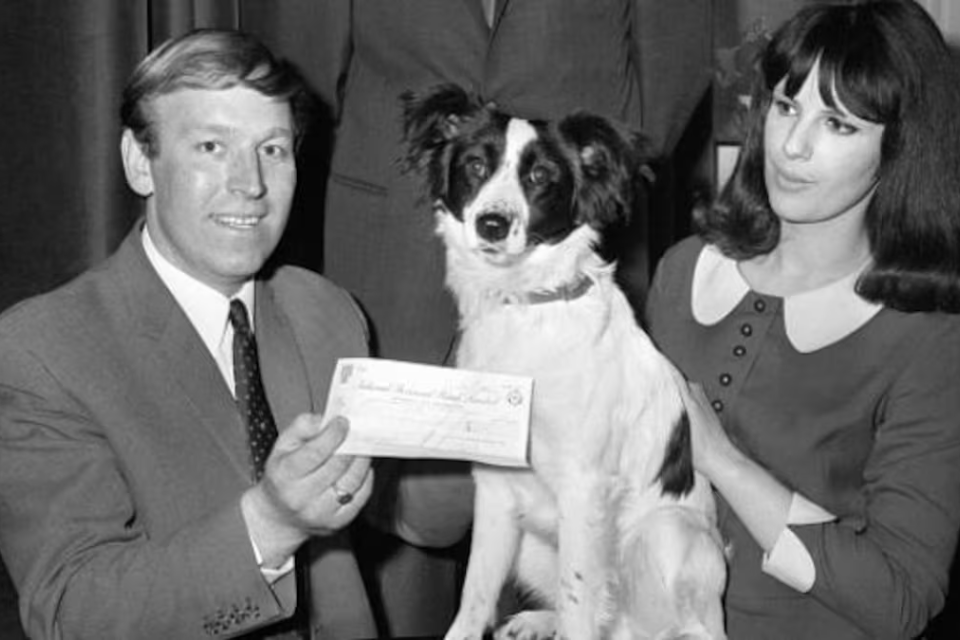 Image Credit: India Today
On 20 March 1966, just four months before the World Cup began in England, the original Jules Rimet Trophy was reportedly stolen in broad daylight despite being under police guard. The disappearance of such a valuable trophy caused a major uproar, prompting the Football Association (FA) to secretly commission silversmith George Bird to create a replica in case the original was never recovered.
A ransom note demanding £15,000, equivalent to roughly £362,000 today, was later sent in exchange for the trophy. Although an arrest was made, the police still failed to recover it.
A week later, the trophy was accidentally discovered by a dog named Pickles while out on a walk with his owner. The mixed-breed collie found the trophy wrapped in newspaper and hidden in bushes near a neighbour’s house.
5. Every World Cup ball has its own identity
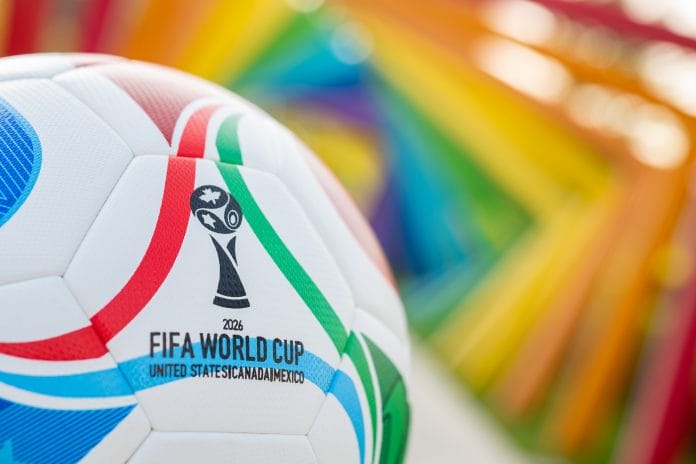 Image Credit: BusinessToday
Every FIFA World Cup tournament features a specially designed official match ball, with many becoming iconic pieces of football history. Adidas has been producing official World Cup balls since 1970, often introducing new designs and technologies with every edition.
One of the most famous balls was the “Telstar” used during the 1970 World Cup in Mexico. Its black-and-white panel design was specifically created so the ball could be seen more clearly on television broadcasts, especially on black-and-white TVs that were still common at the time.
Meanwhile, the “Jabulani” ball from the 2010 World Cup in South Africa became infamous among players and goalkeepers, many of whom complained that it moved unpredictably in the air. Despite the criticism, the ball remains one of the most recognisable in World Cup history.
For the 2022 World Cup in Qatar, Adidas introduced the “Al Rihla” ball, which was designed to travel faster in the air than any previous World Cup ball. The name translates to “The Journey” in Arabic.
6. Only two players have scored a hat-trick in a World Cup final
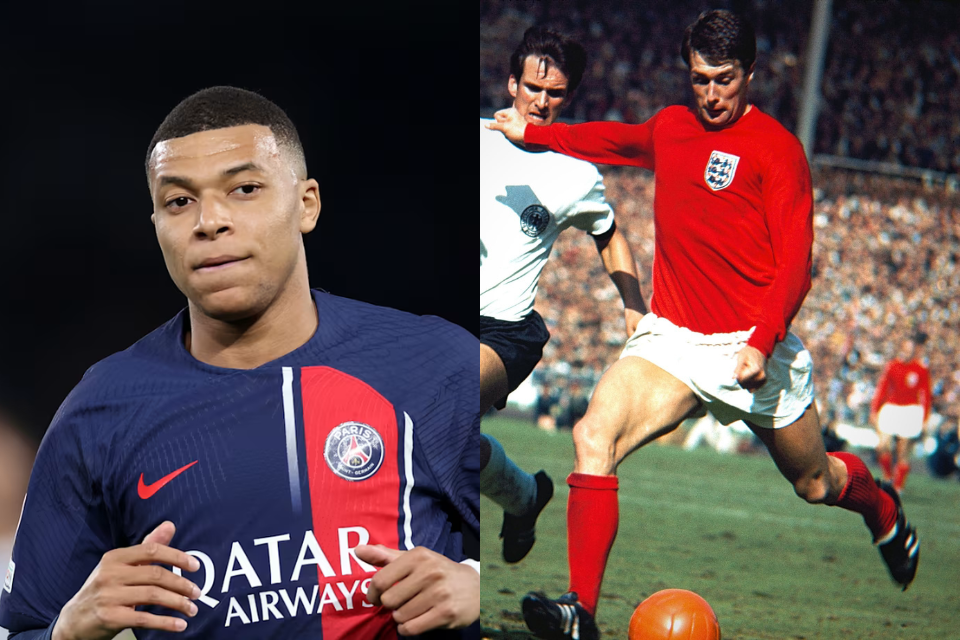 Image Credit: Olympics.com, Facebook
A hat-trick refers to a player scoring three goals in a single match, excluding penalty shootouts. It is considered a remarkable achievement in football and is even more impressive when accomplished during a World Cup final. In the tournament’s history, only two players have achieved this feat.
The first was England’s Geoff Hurst during the 1966 FIFA World Cup final. Hurst’s three goals helped England defeat West Germany 4-2, with his final goal coming in extra time.
More than five decades later, France’s Kylian Mbappé scored a hat-trick in the 2022 World Cup final. However, unlike Hurst, Mbappé ended up on the losing side as France were defeated by Argentina in a penalty shootout.
7. A German player holds the all-time World Cup scoring record
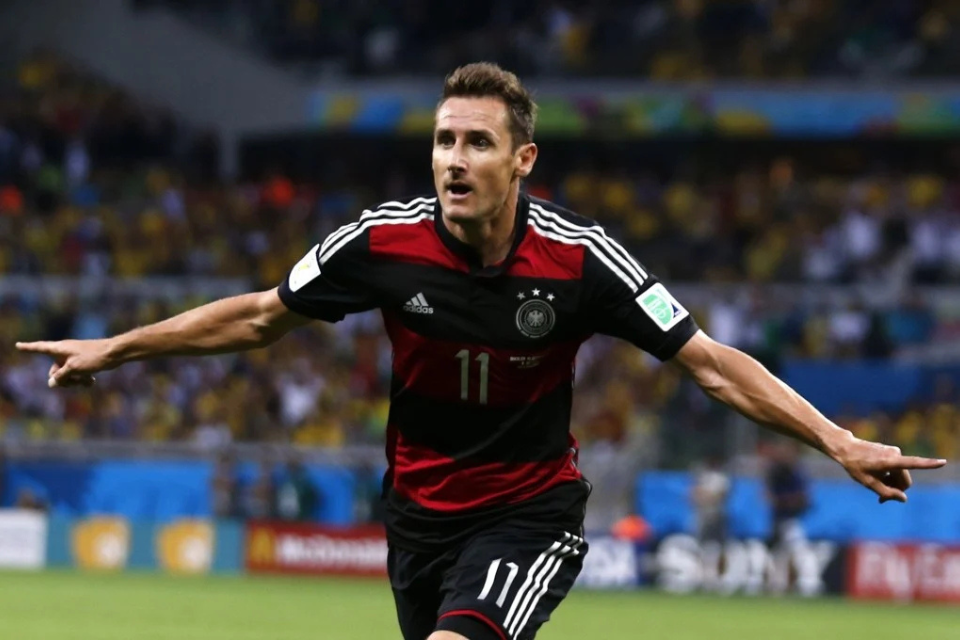 Image Credit: The Guardian
Germany striker Miroslav Klose holds the record for the most goals scored in FIFA World Cup history. Across 24 appearances, Klose scored an impressive 16 goals over four World Cup tournaments from 2002 to 2014.
Klose is also Germany’s all-time leading goalscorer, having netted 71 goals in 137 international matches.
8. The World Cup was cancelled twice
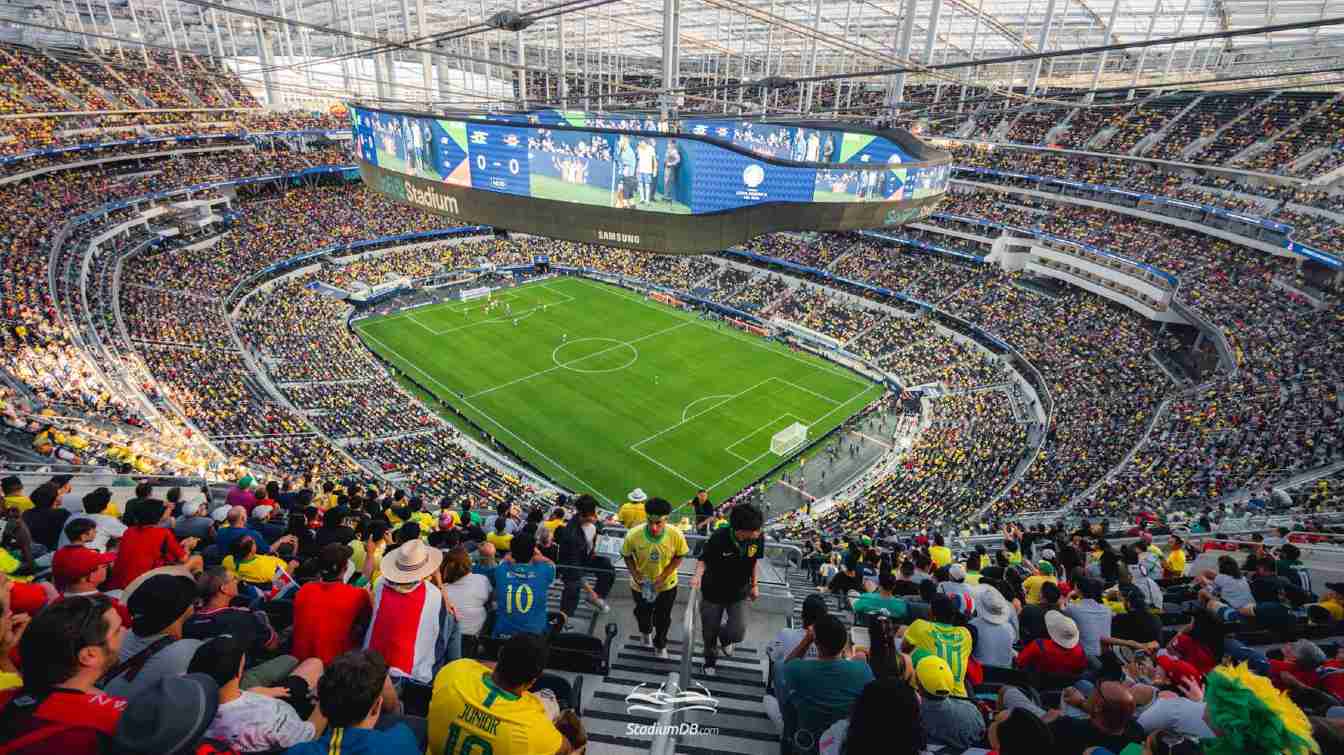 Image Credit: Grzegorz Kaliciak
Many people know that the World Cup is held every four years, but did you know the tournament was cancelled twice in its history?
The 1942 and 1946 FIFA World Cups were cancelled due to World War II and its devastating global impact. The tournament eventually returned in 1950, with Brazil hosting the competition.
9. Brazil has won the most World Cup titles
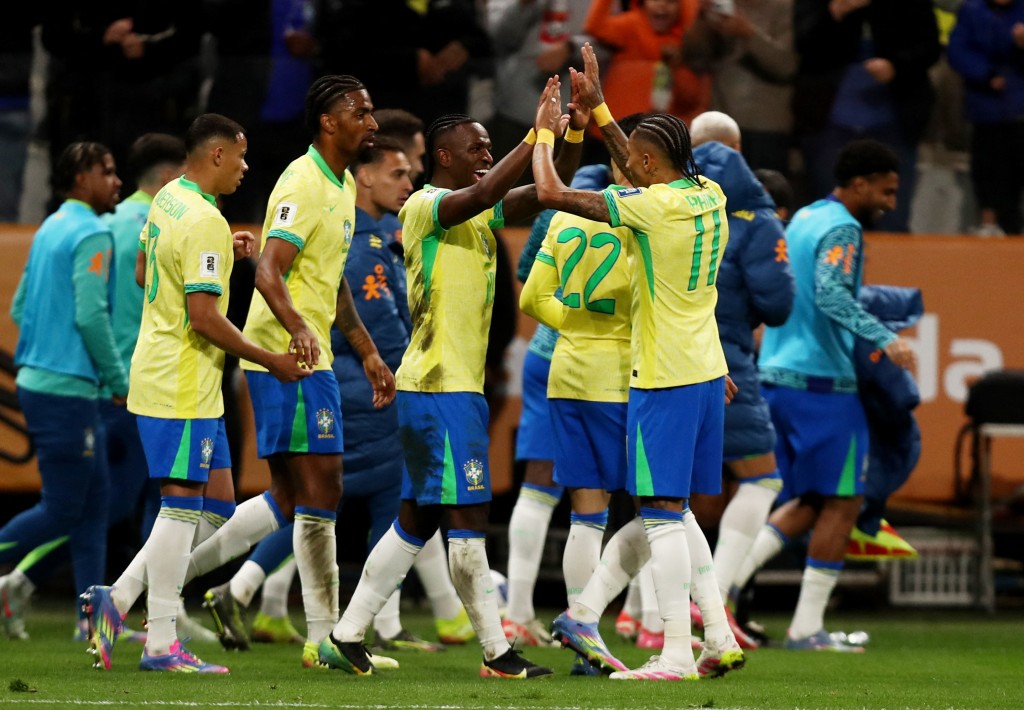 Image Credit: The Standard (HK)
Throughout the history of the FIFA World Cup, Brazil has remained the most successful nation in the competition. The country has appeared in every edition of the tournament and has won the championship five times, in 1958, 1962, 1970, 1994 and 2002.
10. World Cup mascots can get pretty bizarre
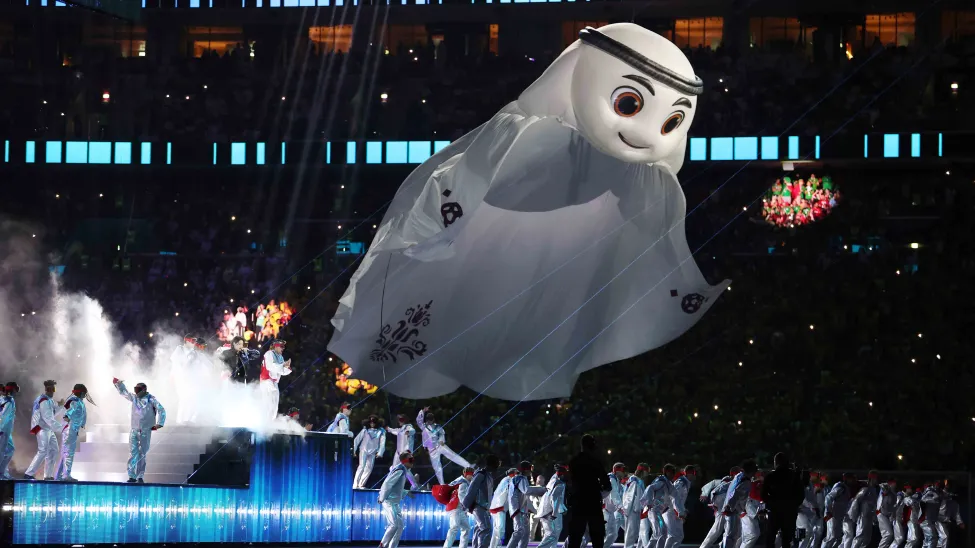 Image Credit: Getty Images
The FIFA World Cup has introduced an official mascot for every tournament since 1966, beginning with “World Cup Willie”, a lion wearing a Union Jack shirt during the tournament hosted in England.
Over the years, some World Cup mascots have become increasingly creative and, at times, rather bizarre. Mexico’s 1986 tournament featured “Pique,” a giant jalapeño pepper wearing a sombrero, while the 2014 World Cup in Brazil introduced “Fuleco,” a three-banded armadillo chosen to raise awareness about endangered species.
More recently, the 2022 World Cup in Qatar unveiled “La’eeb,” a floating keffiyeh-inspired character that FIFA described as a being from the “mascot universe.” The unusual design quickly sparked memes and jokes online, with many fans comparing it to a ghost.
Featured Image Credit: X, Blogspot, France24
You may be interested in

Tealive Bru & Friends - Milk Tea

HNL Kerepek Pisang Masin / Banana Salted Chips

ZANZEA Women Solid Two-Piece Bat Sleeve Vintage Muslim Maxi Dress

YAN@YAN Sut Wanita Gaya Korea